February 2026
History Matters
|
|
|
| ~~~~~~~~~~~~~~~~~~~~~~~~~~~~~~~~~~~~~~~~~ |
|
Dear Friend,
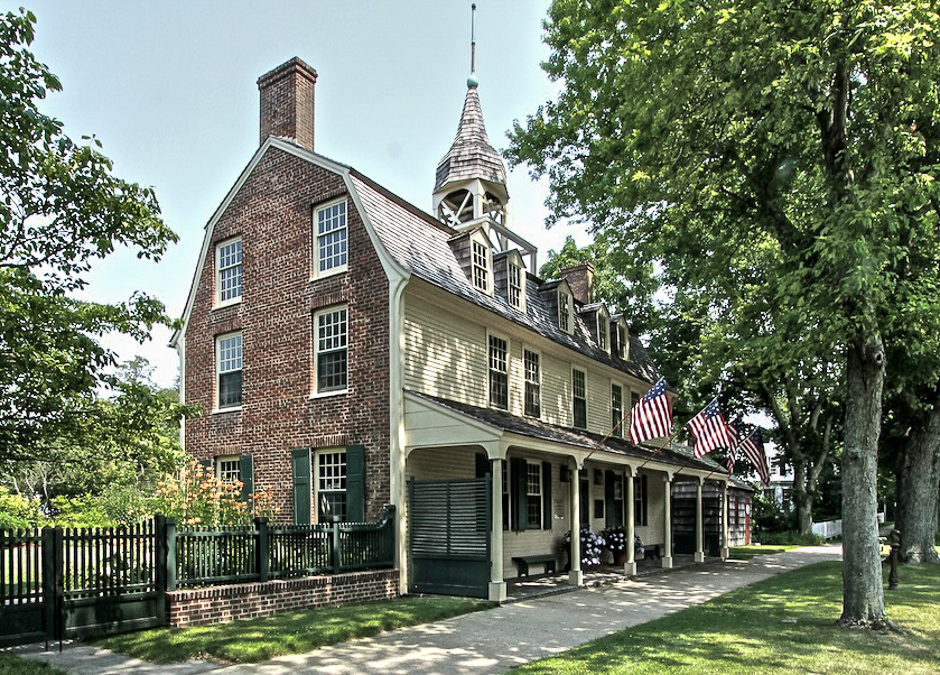
To celebrate America’s 250th, the Historical Society is undertaking an interior restoration of the Mulford Farmhouse to recreate how it looked during the American Revolution. As noted by preservation consultant Bob Hefner, this project will be the first comprehensive effort to restore the Farmhouse’s interior since the Historical Society’s acquisition of the property in 1948.
|
|
|
|
 |
What I find especially fascinating about the Mulford Farmhouse during the American Revolution is that it illustrates what historian Edmund Morgan described as the “American Paradox.” In his book, American Slavery, American Freedom, which was written over 50 years ago, Morgan explored why so many of America’s leading patriots like George Washington and Thomas Jefferson, were also among their community’s largest slaveholders. That same paradox played out in East Hampton where David Mulford, who commanded a regiment of Long Island “Minutemen” and led the cause for freedom, was among the East End’s largest slaveholders in 1776. Thanks to research conducted by the Plain Sight Project, we know the names of 14 people enslaved at Mulford Farm, including Abigail, Daniel, Gennee, Jack, and Prince, who likely slept in the lean-to space above the kitchen. Visitors to the newly restored Farmhouse will have the opportunity to walk in the footsteps of our community’s leading patriot and of the people he enslaved, illustrating the paradox between freedom and slavery in the founding of our nation.
We’re looking forward to reporting on the restoration process at the Farmhouse, including the interior paint finishes that you can read about below. If you have any questions or want to learn more about the project, please email or call me at 631.324.6850, x3.
Sincerely,
Steve Long, Executive Director
|
|
| ~~~~~~~~~~~~~~~~~~~~~~~~~~~~~~~~~~~~~~~~~ |
TOM TWOMEY SERIES
Thursday, February 26 at 5:30 PM
Dr. Nedra Lee presents “Uncovering the Past:
Archaeology at Sylvester Manor”
|
|
|
This year, the East Hampton Historical Society is thrilled to partner with the East Hampton Library on the Tom Twomey Series. Our next presentation is February 26 at 5:30 PM when archeaologist Dr. Nedra Lee presents “Uncovering the Past: Archaeology at Sylvester Manor.” Dr. Lee shares discoveries about the lives of enslaved people who lived and worked at Shelter Island’s Sylvester Manor, revealing a complex and interconnected history that still shapes our lives.
———————–
|
|
Upcoming Lectures
Friday, March 27 at 7 PM: Valedictory Orations, Songs and Speeches, Harangues and Dialogues: Clinton Academy 1821-1921
- Clinton Hall’s 100-year history as East Hampton’s center of entertainment is brought to life in this program hosted by Town and Village Historian, Hugh King.
Friday, April 24 at 6:30 PM: History of East Hampton in the American Revolution
- Leah K. Lebec presents her late father’s groundbreaking research elucidating what happened during the Revolutionary era, providing a unique perspective on East Hampton’s struggles during the nation’s War for Independence.
Thursday, May 21 at 5:30 PM: Historic Gardens of East Hampton
- Author of The Gardens of the Hamptons, Blue Carreon describes the history of many of East Hampton‘s most iconic gardens.
Thursday, June 11 at 5:30 PM: Prosperous Bohemians: The Rise & Fall of Weekend Utopia
- Alastair Gordon, author of Weekend Utopia: Modern Living in the Hamptons, traces the history of the modern movement–both in art and architecture–on eastern Long Island.
Programs are free of charge and take place in the Baldwin Room at the East Hampton Library, 159 Main Street. Advanced reservations are suggested but not required.
—————————
For more information and to reserve a seat, please visit www.TomTwomeySeries.org.
|
|
| ~~~~~~~~~~~~~~~~~~~~~~~~~~~~~~~~~~~~~~~~~ |
Watch Landmarks & Legends: East Hampton Unveiled
January’s Tom Twomey Series Presentation
|
|
|
The Tom Twomey Series kicked off on Friday, January 30 with East Hampton educator David Cataletto presenting Landmarks & Legends: East Hampton Unveiled. In front of a capacity crowd, David described the rich history behind East Hampton’s place names. If you missed it, check out the link below to view the video presentation, which was produced by the East Hampton Library.
|
|
| ~~~~~~~~~~~~~~~~~~~~~~~~~~~~~~~~~~~~~~~~~ |
Paint Restoration at the Mulford Farmhouse
|
|
| As part of the restoration of the Mulford Farmhouse, the Historical Society will recreate the interior finishes that Colonel David Mulford had applied onto the entryway and parlor woodwork. According to paint analysis, much of the woodwork was painted a Prussian blue color while a yellowish orange was applied to the parlor’s corner cabinet circa 1770. |
|
|
A restoration paint contractor at Mulford Farm will recreate the technique that was used in the 1770s. This multistep process involved alternating the application of a Prussian blue base with a green resinate glaze using five hand-brushed coats. As Bob Hefner explained, paint investigations typically produce a color sample that can be replicated by a modern paint company. However, what appeared in the Mulford Farmhouse wasn’t a consistent color, it was a shimmering interaction of the blue pigment and the green glaze. In the accompanying photo, you can see an example of how the yellowish orange and the Prussian blue will look. This labor-intensive finish was expensive for Colonel Mulford and it is a costly finish today. Thanks to the Ladies Village Improvement Society and the New York State Chapter of the National Society, Daughters of Founders and Patriots of America for funding this historic painting project.
|
|
| ~~~~~~~~~~~~~~~~~~~~~~~~~~~~~~~~~~~~~~~~~ |
|
Catch the latest edition of our new podcast
Spirit of ’76: East Hampton in the American Revolution
February 2026
|
|
|
This month’s episode of the Spirit of ’76 describes how East Hampton laid the groundwork for war. Realizing that battle with Great Britain was no longer distant and that East Hampton‘s geography made it particularly vulnerable, Town leaders began taking action to protect the community and support the patriot cause. Researched, written, and narrated by East Hampton High School student Colin Kelley, you can find the Spirit of 76 podcast on WLIW.org, the Historical Society’s website, and our mobile app on www.BloombergConnects.org. It’s also available on most streaming apps.
|
|
| ~~~~~~~~~~~~~~~~~~~~~~~~~~~~~~~~~~~~~~~~~ |
Join us for Golf at the Maidstone Club
& Support the East Hampton Historical Society
Monday, May 18, 2026
|
|
Early Bird Pricing
$1,500 Individual Player / $5,500 Foursome
Please contact us for information about sponsorships.
|
~~~~~~~~~~~~~~~~~~~~~~~~~~~~~~~~~~~~~~~~~ |
Explore Long Island’s Pathway to Independence
with the Suffolk County 250th Passport Book
|
|
|
Mulford Farm is featured among the dozens of historic sites and museums in the new Suffolk County 250th Anniversary “Passport Book.” You can purchase a copy online through Barnes and Noble Online (not available in stores), Amazon, Lulu.com, or print it yourself as a free download.
——-
The book was published through the collective efforts of the Suffolk County 250th Commemorative Planning Committee. Visit www.suffolk250.org for more information.
|
|
| ~~~~~~~~~~~~~~~~~~~~~~~~~~~~~~~~~~~~~~~~~ |
East Hampton Historical Society
|
|
|
|
|