Between the turn of the 19th century, but before the early 1920s, Shelter Island supported a racially diverse working class community. As we close out our celebration of Black History month, we salute the hardworking members of that community, as exemplified by Albert Scott.
Scott was born a slave in Virginia at the Chappell Plantation, which was owned by a branch of the Gardiner Family. After the Civil War, Scott came up north to work for David Gardiner, eventually settling on Shelter Island. As a young child Albert’s Achilles tendon was severed at Chappell Plantation to prevent him from running away. In adulthood, he was able to walk, but not very quickly, and he could not run.
The scars of slavery’s effect on Albert’s life and psyche went beyond the physical. In a 1999 Oral History interview, Robert “Bucky” Clark recalls working alongside Scott on Miss Annie Nicoll’s estate (later owned by Otto Kahn) at Sachem’s Neck in Mashomack. Clark said that Albert never knew his age. While he remembered Lincoln’s ascension to the presidency, he did not know if he was 15 or 20 years old at the time.
Similarly, even after decades of freedom and years of friendship with folks like the Clarks, Bucky stated Scott was hesitant to socialize with whites out of a sense of propriety. He would not eat with the Clarks inside their home when invited, but would sit outside and eat on his own instead. On occasion, Albertus Clark, Sr. would share a tipple of (sometimes bootlegged) whiskey with “Old Mr. Scott.” That offer, Albert would accept. Bucky described with amusement the exclamation, “Just right!” that Alfred would issue on these occasions. In a separate Oral History, Bucky’s brother, “Toots,” (Albertus Clark, Jr.) fondly recalled that Mr. Scott spent many winter afternoons in the Clark’s living room, where they all crowded around a warm fire.



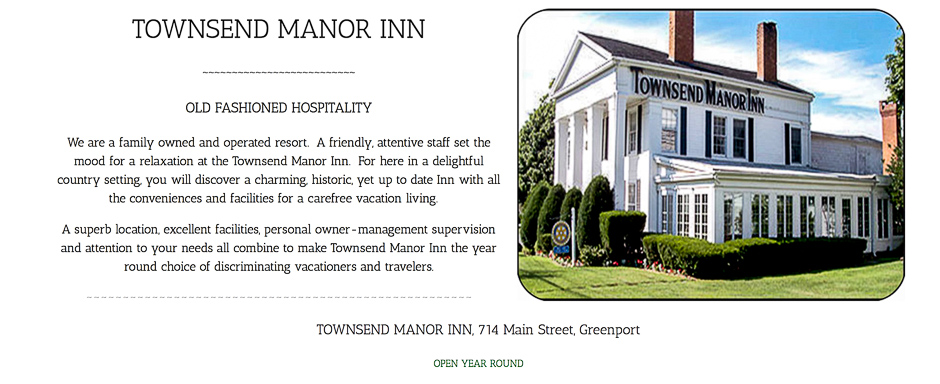 AAQ / Resource: Townsend Manor Inn