
—————————————————
—————————————————
Bully Pages 1 – 3 / Brooklyn Daily Eagle / July 15, 1898.
—————————————————

BULLY, page 2 / New York Herald
—————————————————
—————————————————
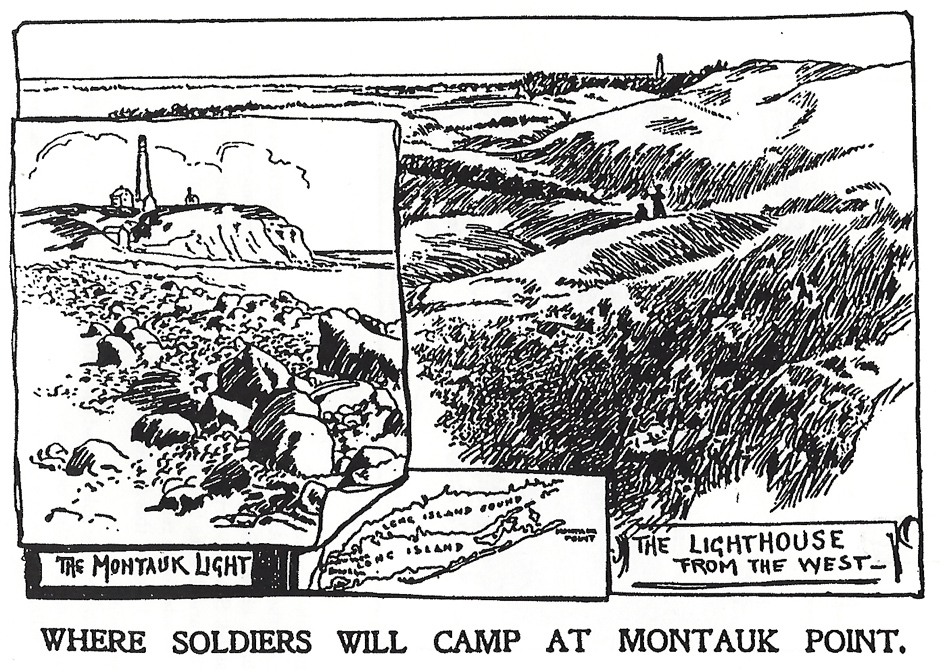
BULLY, page 4 / Chicago Tribune.
—————————————————
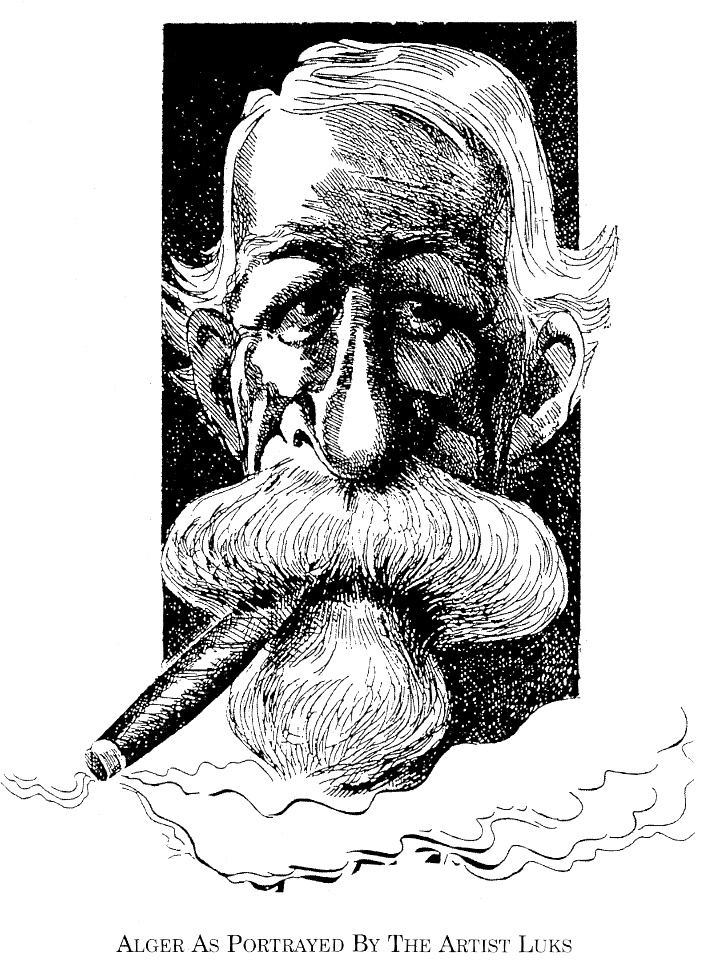
Sec. of War Alger
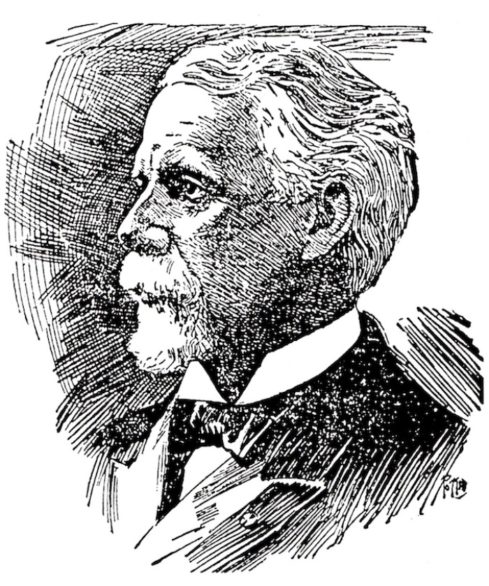
BULLY, Page 17 Boston Globe
—————————————————
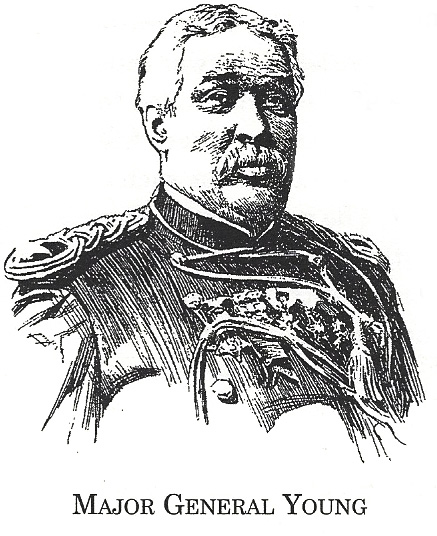
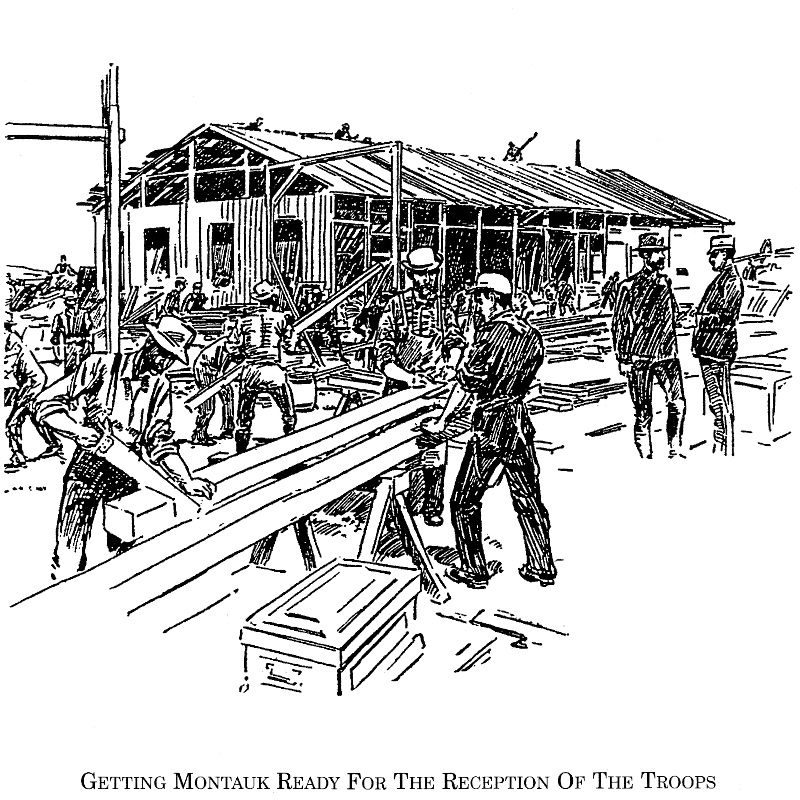
Major General Samuel Young was in charge of establishing the camp for the reception of the troops.
BULLY, page 32 / New York Herald
—————————————————
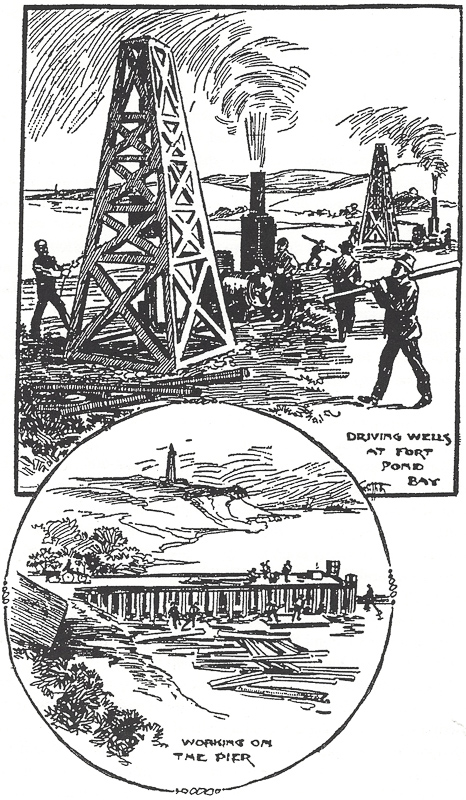
BULLY, page 36 / The World
—————————————————
BULLY, page 34 / New York Herald
—————————————————
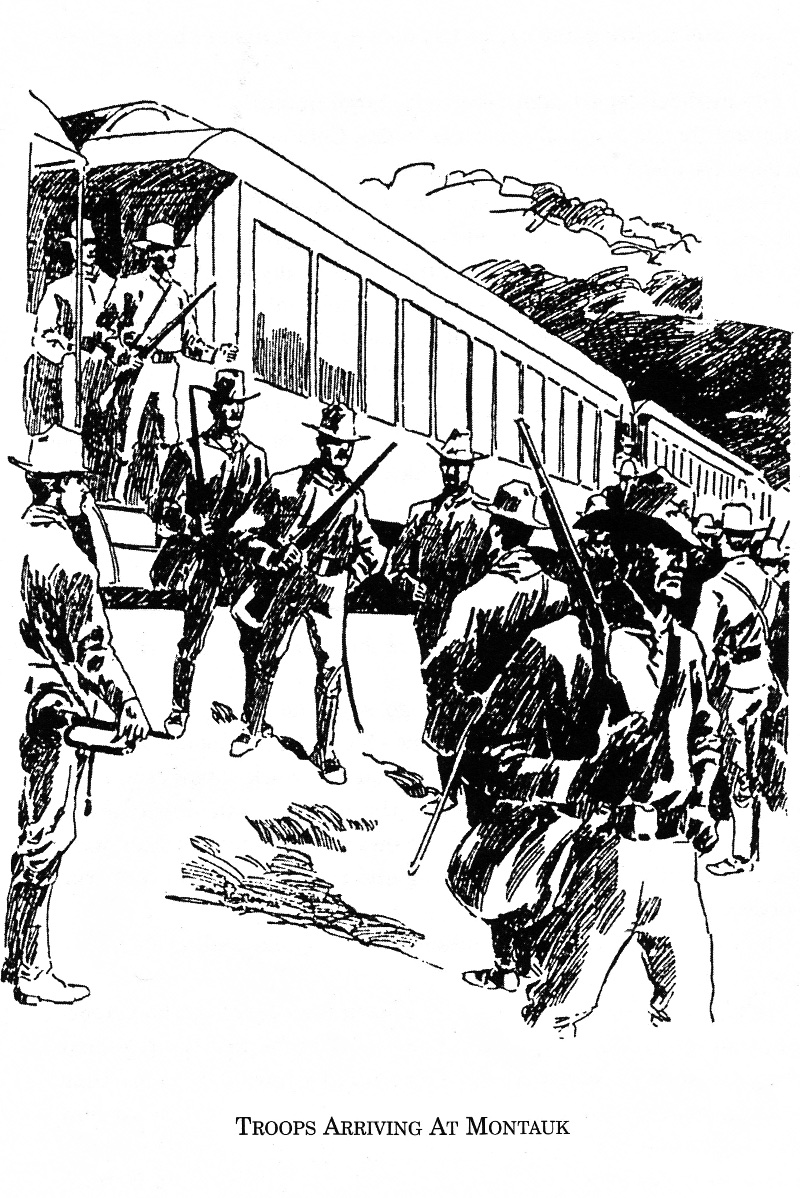
7,000 troops from southern posts — also impacted by malaria and yellow fever — arrived by train.
BULLY, page 38 / The World
—————————————————
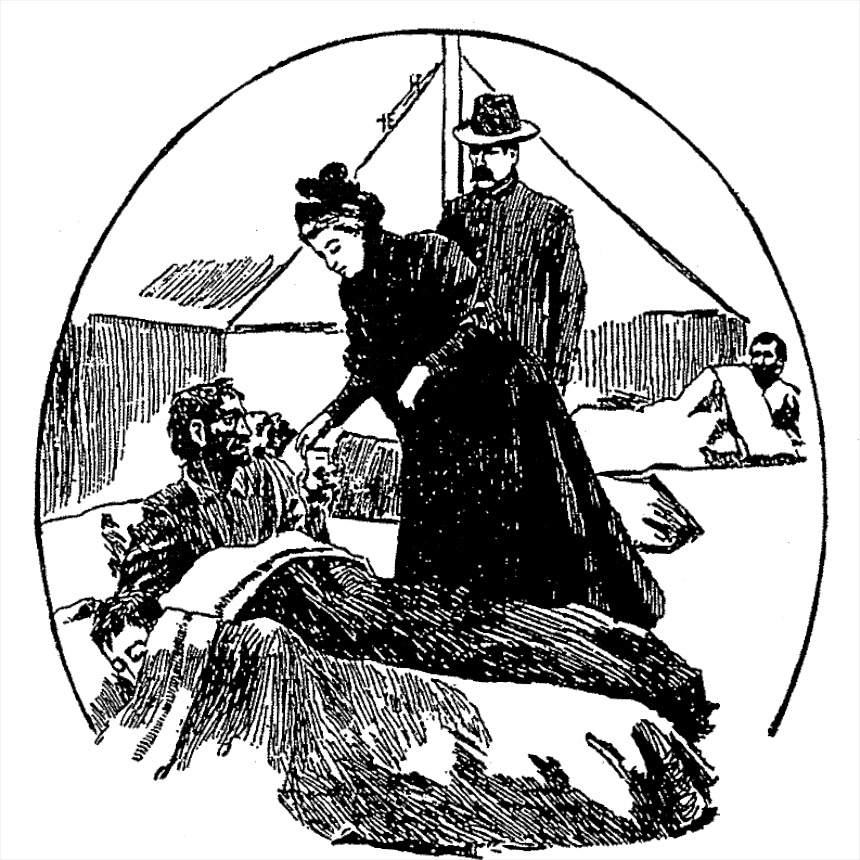
Mrs. Ellen Hardin Walworth, Directress General
of the National Women’s War Relief Association.
BULLY, page 51 / The World
—————————————————
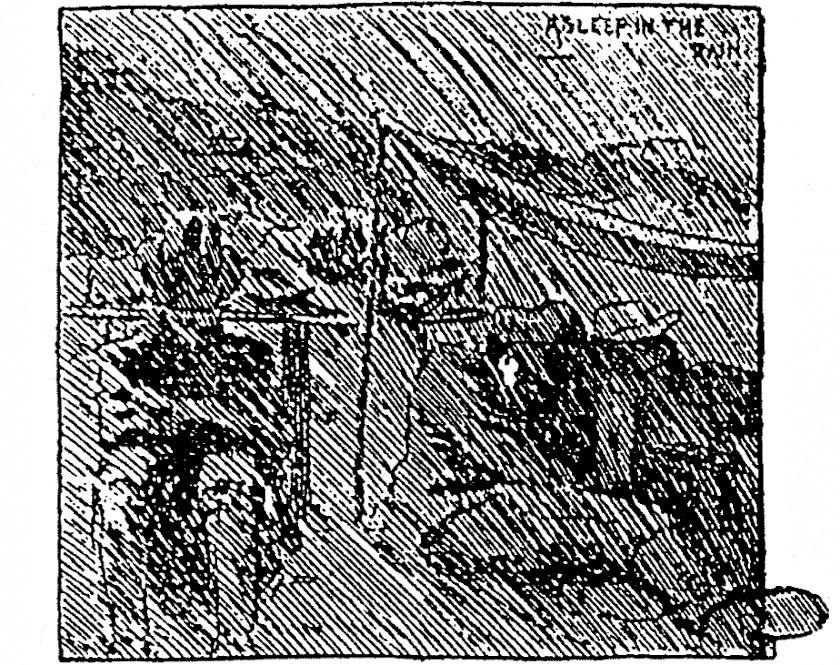
Asleep In The Rain
BULLY, page 43 / The World
—————————————————
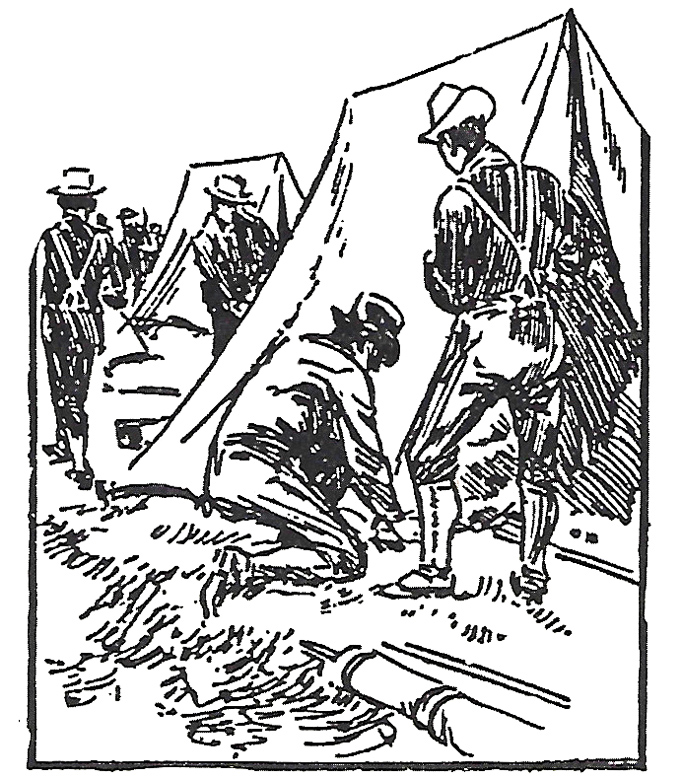
BULLY, page 48 / New York Herald
—————————————————
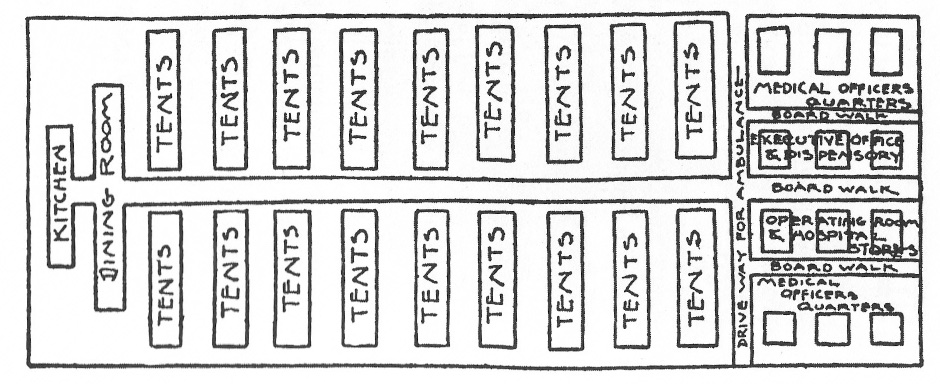
Illustration of the General Hospital drawn by Colonel Forwood, surgeon in command of the new camp.
BULLY, page 43 / The World
—————————————————
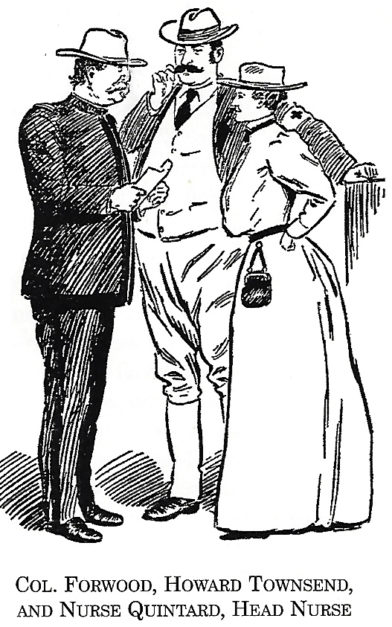
Red Cross Agent Howard Townsend stayed at the Andrews Cottage (Montauk Association), offered to Gen. Young by W.L. Andrews of New York, which he shared with Gen. Young.
BULLY, page 41 / New York Herald / Illustrator, W.H. Shindler
—————————————————

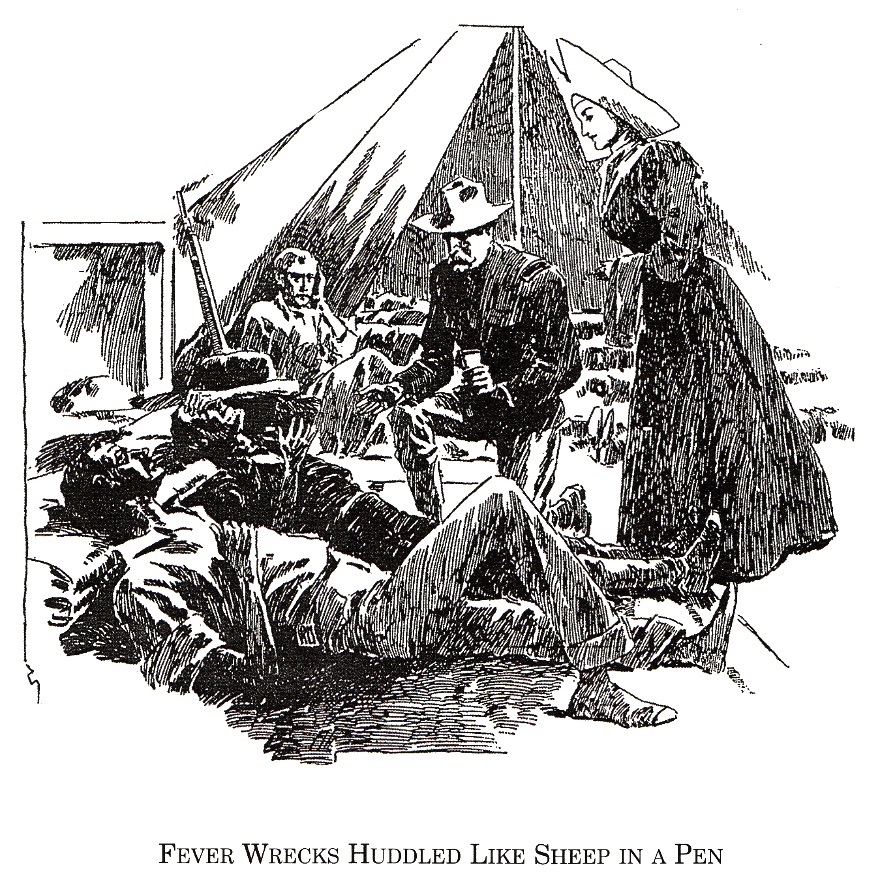
Because of the number of fever-debilitated soldiers arriving at Camp Wikoff, nurses of the American Red Cross were contracted by the U.S. Government to serve in the Detention and General Hospitals at Camp Wikoff, ending a male nurses only policy.
Note: at that time, malaria and yellow fever were considered contagious. They did not know that mosquitoes carried those diseases. In addition, poor quality canned roast beef, supplied as rations to the troops, became known in the fall as the Army Beef Scandal of 1898. Soldiers not only suffered malnourishment, but some died of starvation — cause of death in the Death Register listed as exhaustion.
BULLY, pages 40 – 41 / The Sun
—————————————————
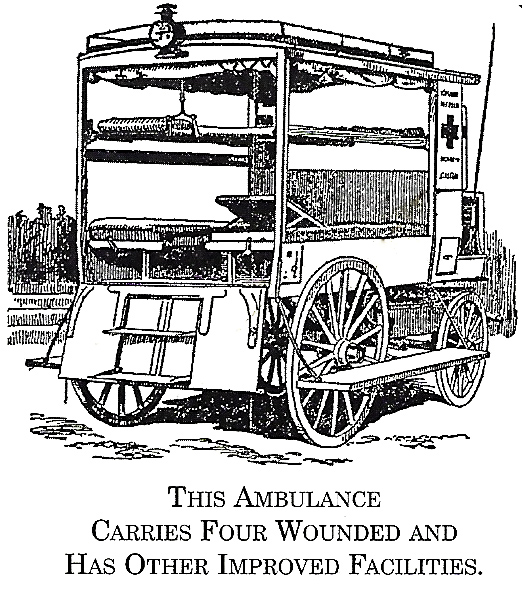
BULLY, page 48 / Washington Post
—————————————————


BULLY, page 53 / Boston Globe
—————————————————
Editorial …. If foreign observers might presume to have an opinion upon his conduct, it would probably be that President McKinley has kept his finger constantly on the national pulse and has known how to stimulate and direct national thought without too markedly outrunning its movement.
Everything has been done in the open, every move has been discussed as a possibility all over the United States before the Government was irrevocably committed one way or the other, and the result of this cautious, tentative policy is that, where he stands at this moment, the President has the whole American people at his back.
We do not think that there can be any higher statesmanship for a President governing under the Constitution of the United States.
BULLY, page59 / The London Times
—————————————————
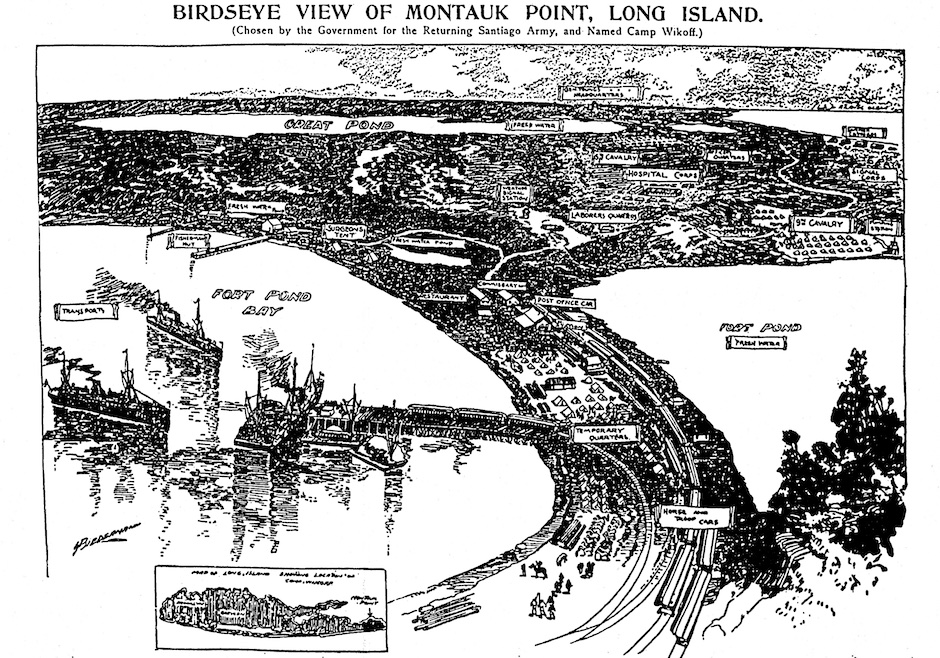
BULLY, page 57 / The World
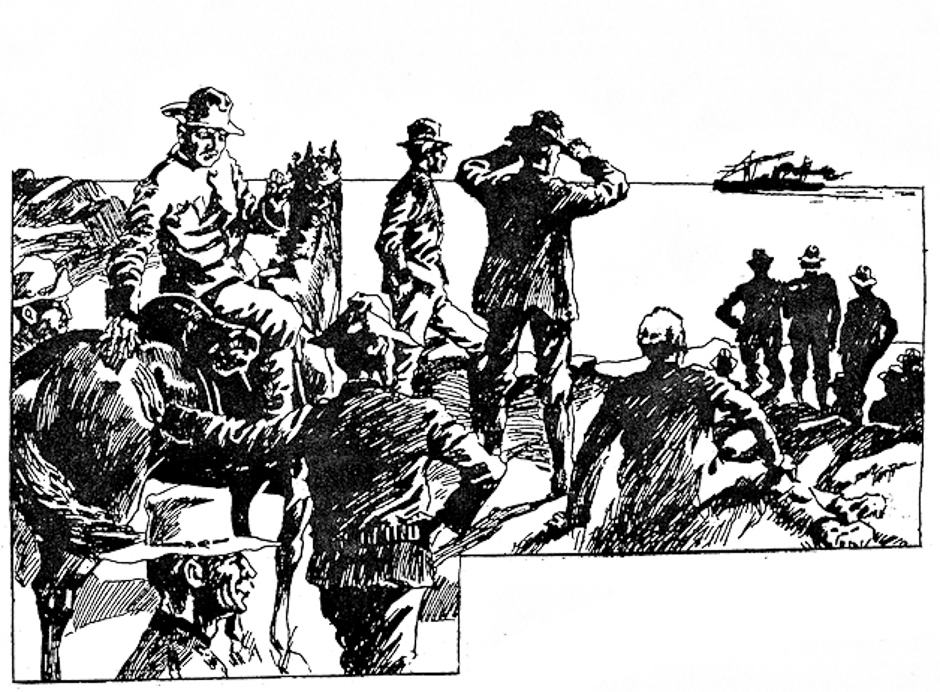
Sighting of the Transport Gate City, first transport from Santiago de Cuba to arrive at Montauk, August 13, 1898.
—————————————————
America’s First Veterans of a War
Fought Overseas on Foreign Soil
—– FIFTH ARMY CORPS —–
Returned home at Fort Pond Bay, Montauk, on transports from Santiago de Cuba in August & September, 1898
———————-
The VFW traces its deepest organizational roots to Camp Wikoff,
celebrating its centennial in 1998.
Bully, page 28 / New York Press
—————————————————
BULLY, page 60 / New York Herald / James Gordon Bennett, Illustrator
—————————————————

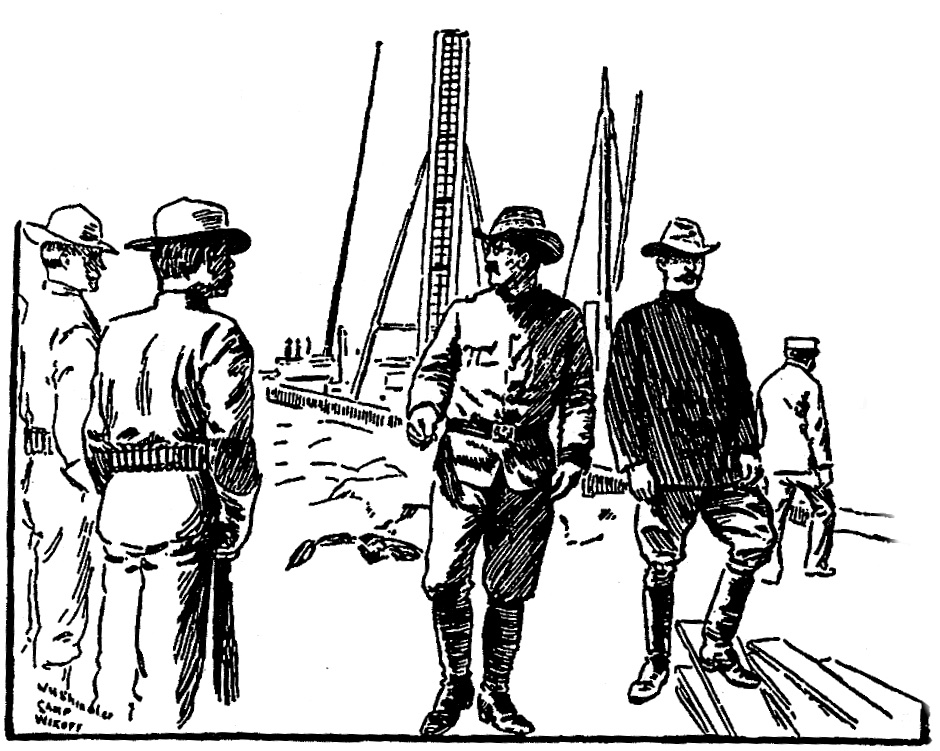
Theodore Roosevelt & Woodbury Kane
A soldier on the Iron Pier shouted out to Col. Roosevelt, standing on the bridge of the Transport Miami as it docked,
“How are you Col. Roosevelt?”
“I am feeling disgracefully well. I feel positively ashamed of myself when I see how badly off some of my brave fellows are.”
Then in tones of intense conviction, Oh, but we have had a bully fight!“
BULLY, pages 62 – 63 / The Sun / New York Herald Illustrator W.H. Shindler, page 65
—————————————————
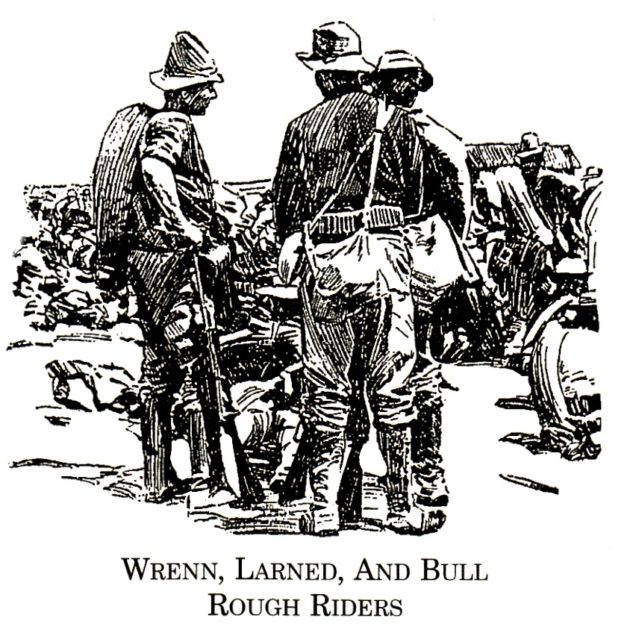
BULLY, page 67 / New York Herald illustration
—————————————————

BULLY, page 86 | Chicago Tribune
—————————————————
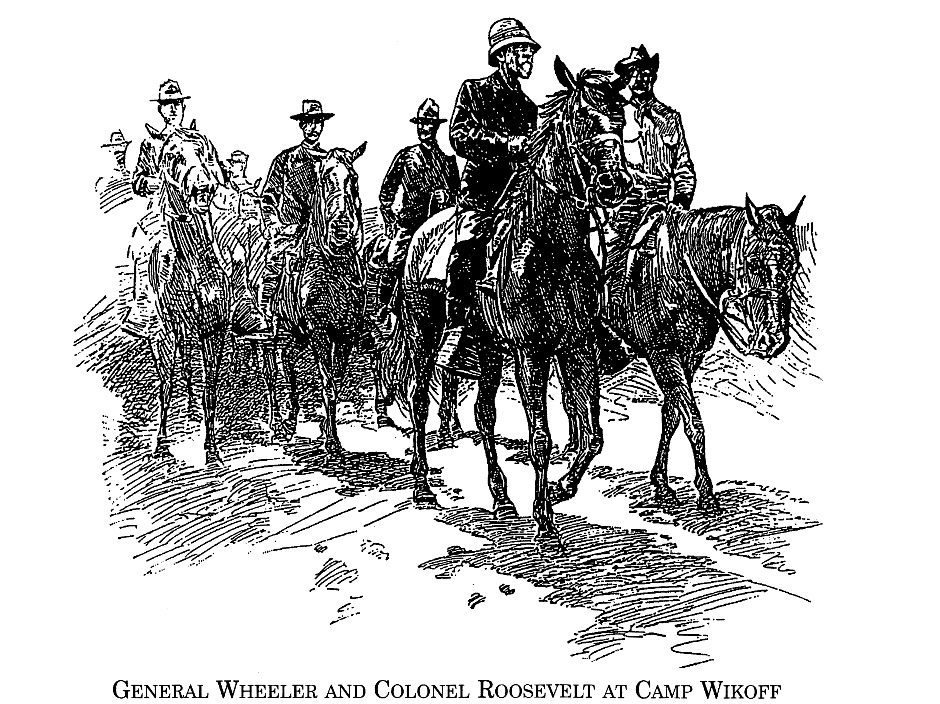
BULLY, pages 79 – 81 / The World | Illustration, New York Herald
—————————————————
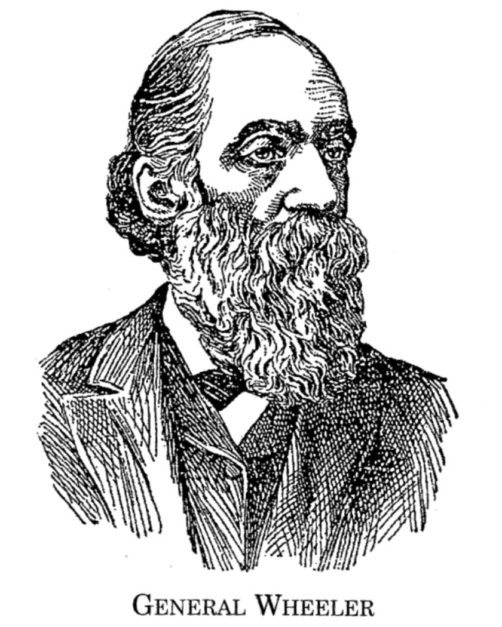
BULLY, page 80 / Boston Globe
—————————————————

COLONEL THEODORE ROOSEVELT
BULLY, page 1 / The Traveler (Southold, NY), November 11th
——————
At a campfire on the night of August 27th, an Arizona Rough Rider said, chuckling,
“An that’s the feller we Western cowpunchers was sort of dubious about.
I’d like to find the man now who would call him a college-bred dude.”
BULLY, Page 150 / The Sun
—————————————————
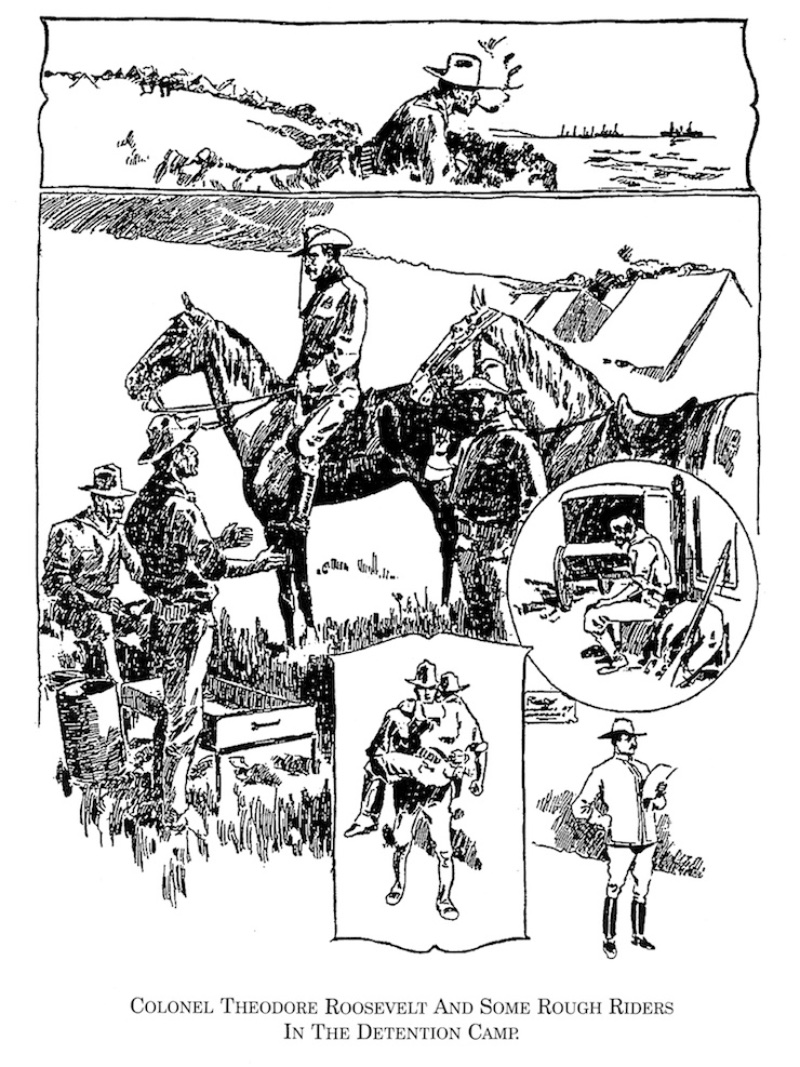
All arriving soldiers had to spend four days at the 4-acre Detention Camp for observation,
with those suffering from tropical fevers in the Detention Hospital.
BULLY, page 88 / New York Herald / Illustrator, Chambers
—————————————————
BULLY, page 257 / The World
—————————————————
BULLY, page 227 / Brooklyn Daily Eagle
—————————————————
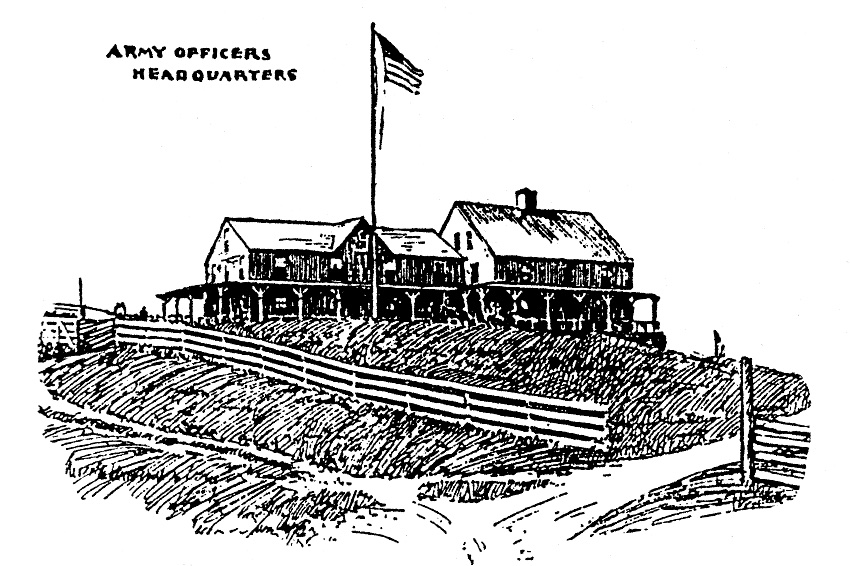
Third House, 1804, served as an inn for officers. Col. Roosevelt stayed there with his wife, Edith, on August 18th & 19th. Roosevelt telling a NYT journalist that he had at last slept in a “civilized bed.” In September, Edith and their daughters Alice & Ethel stayed there for several days, with sons Theodore & Kermit sleeping in their father’s tent in the Rough Rider camp.
Note: Third House is next to Deep Hollow Ranch, 1658 — the oldest continuously operating ranch
in the United States — birthplace of the American cowboy.
BULLY, page 91 / New York Herald
—————————————————
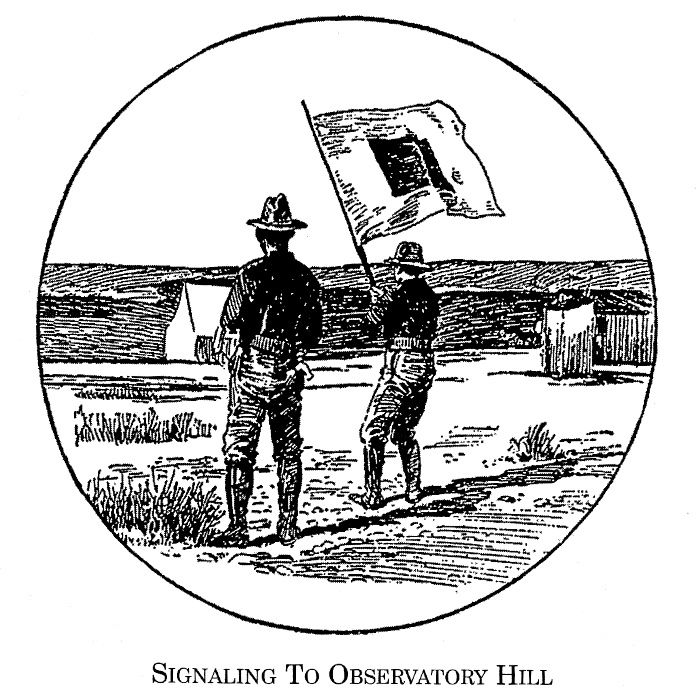
BULLY, page 92 / Illustrator, James Gordon Bennett
—————————————————
—————————————————
—————————————————

—————————————————
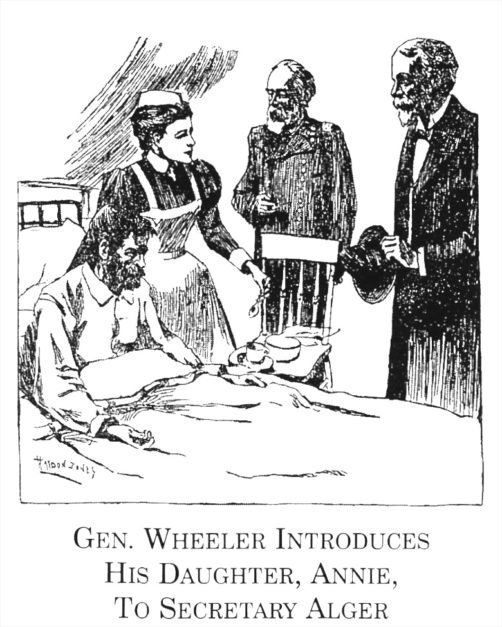
BULLY, page 141 / The World, Illustrator, Haydon Jones
—————————————————

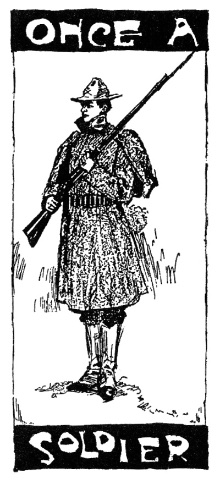
The Slouch Hat
The United States Army never did a more fashionable and practical thing than when it adopted the slouch hat for the rank and file — the soft, round, limited sombrero, with the broad brim — just wide enough to take on beautiful curves bending down under the sun or up before the wind, giving always perfect lines, artistic form.
BULLY, page 143 / New York Press
—————————————————
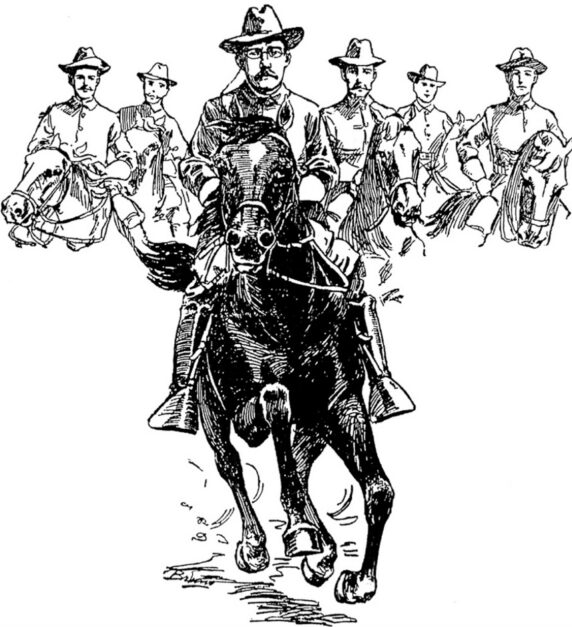
Every afternoon, Col. Roosevelt would lead the charge of his men
to the beach at Ditch Plains for a swim in the ocean.
BULLY, page 152 / The World
—————————————————
—————————————————
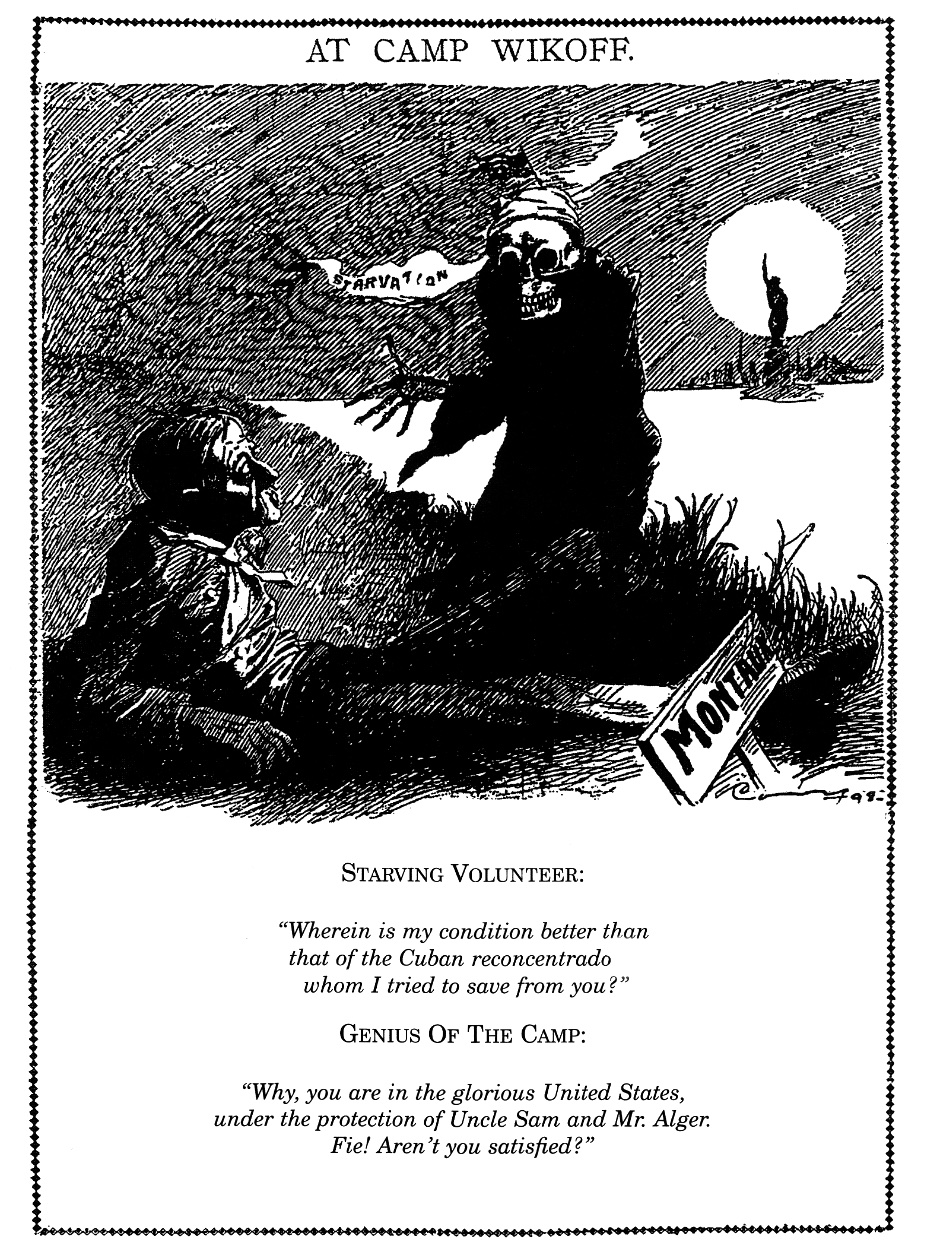
BULLY, page 141 / The World / Illustrator Cory
—————————————————
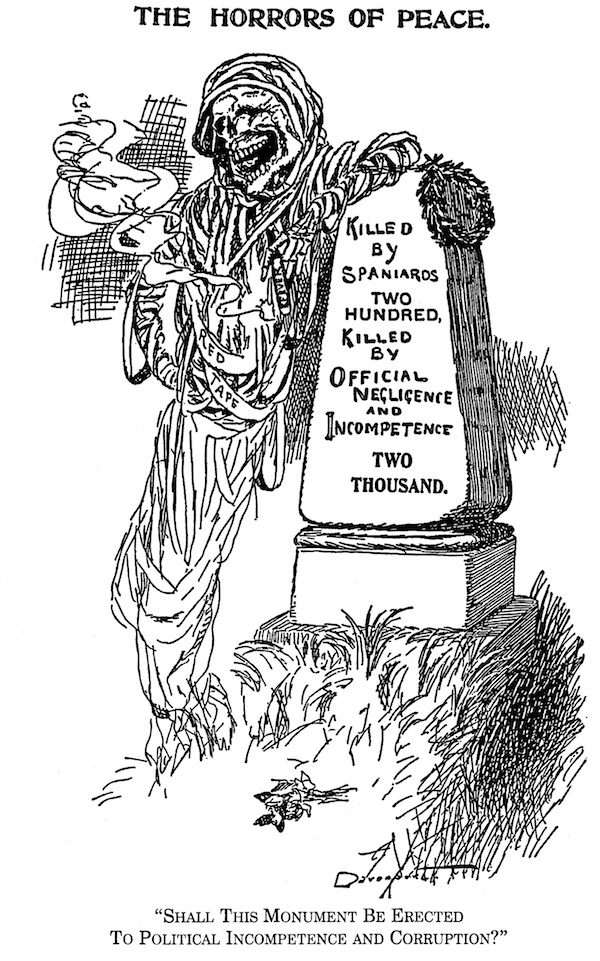
BULLY, page 128 / Illustrator, Homer Davenport
—————————————————
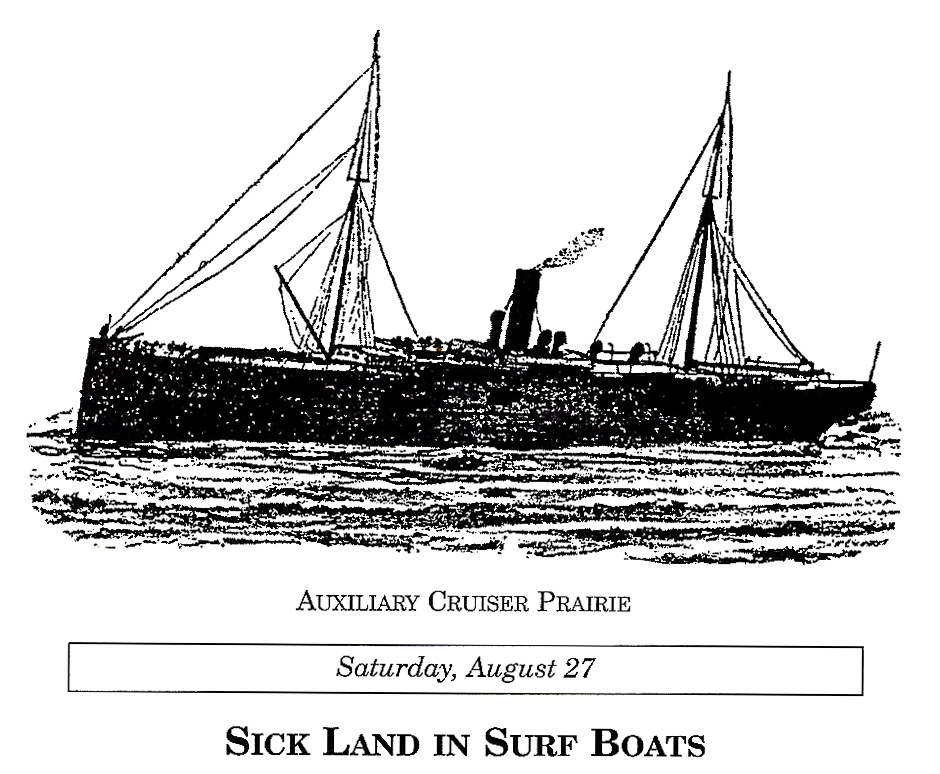
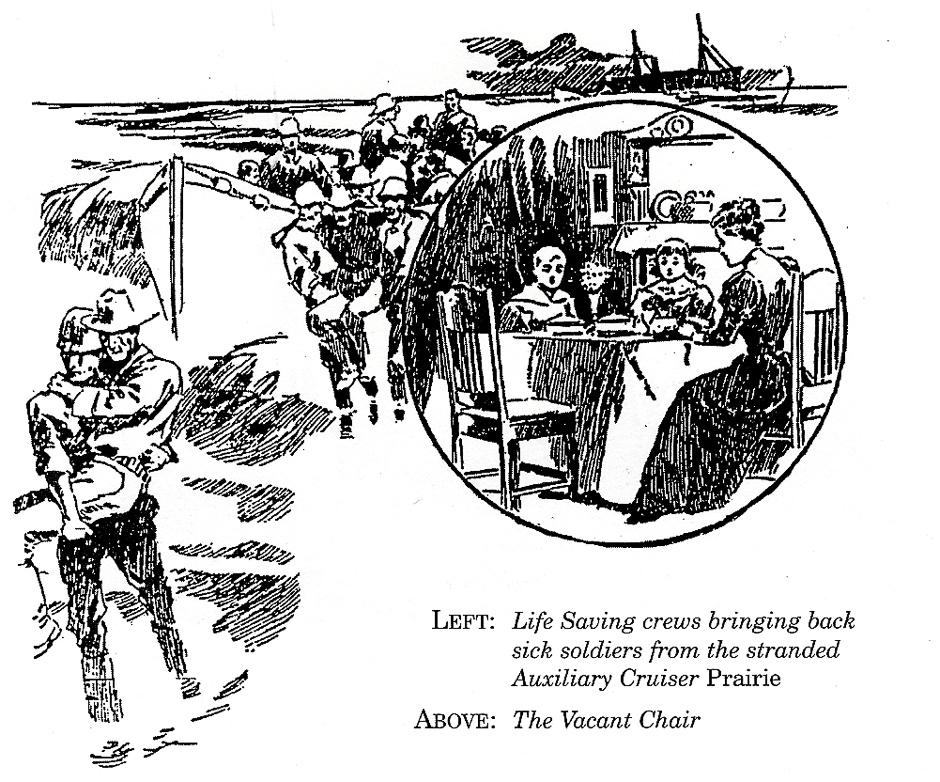
Auxiliary Cruiser Prairie, with 400 sick soldiers on board, ran aground off Napeague Beach one night, having mistaken the Ponquogue Lighthouse in Hampton Bays and for the Montauk Point Lighthouse, turning too soon in the heavy fog that night. Local residents helped carry the debilitated soldiers to shore, where they remained until they could be moved to Camp Wikoff later that day.
BULLY, page 133 – 138 / The Sun / Top illustration,New York Journal
/ Bottom illustration The World
—————————————————
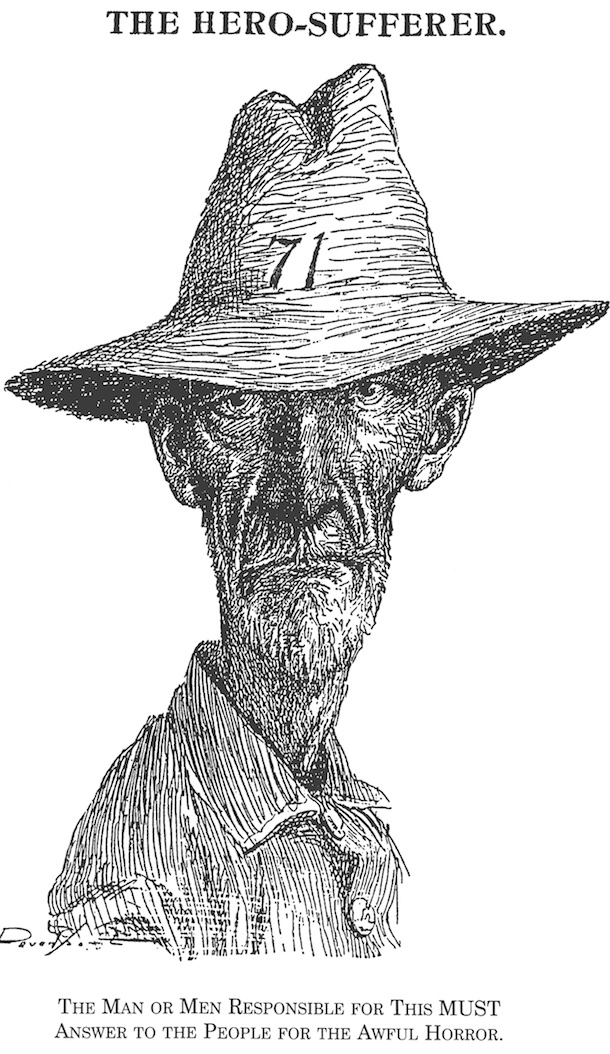
BULLY, page 144 / The Word / Illustrator, Homer Davenport
—————————————————
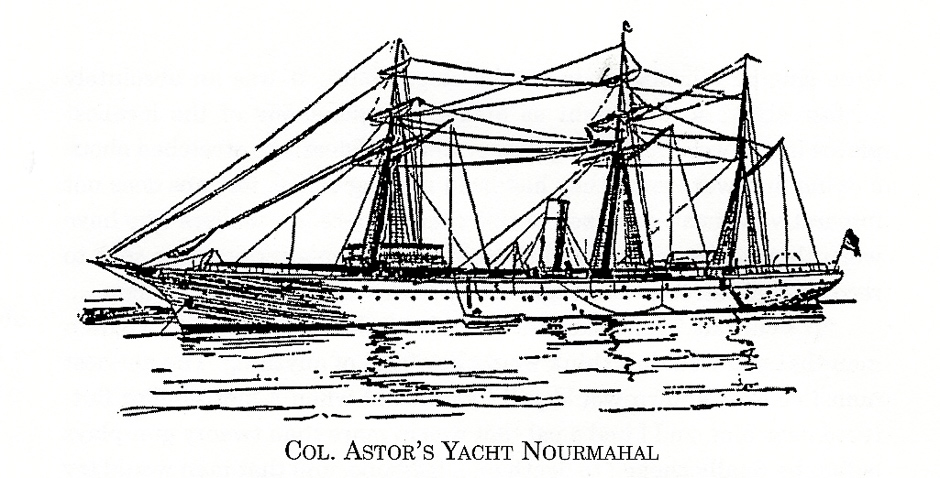
Col. John Jacob Astor delivered $ 3,000 worth of food delicacies, donated by residents of Newport, Rhode Island, including Cornelius Vanderbilt, for the fever-stricken soldiers.
BULLY, page 146 – 147 / New York Times
—————————————————
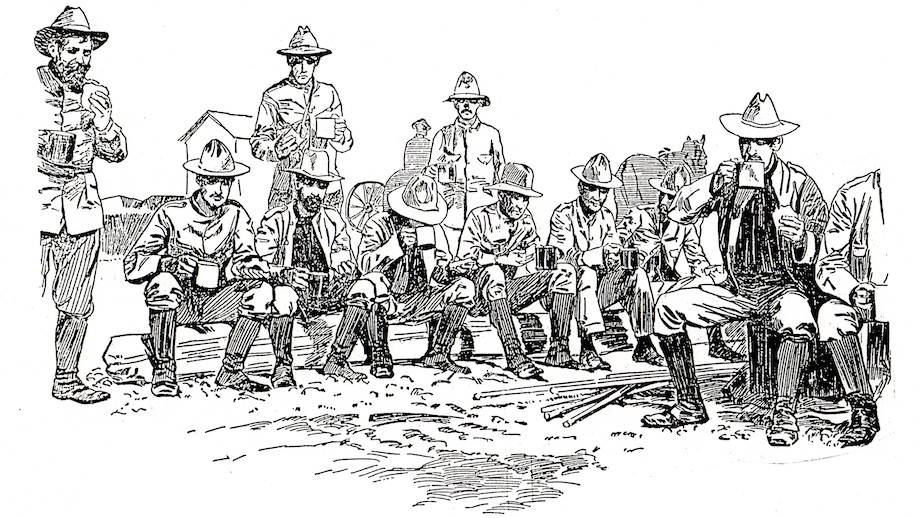
B Company, First Illinois, enjoy a meal on the beach at Fort Pond Bay.
BULLY, page 179 / Chicago Tribune
—————————————————
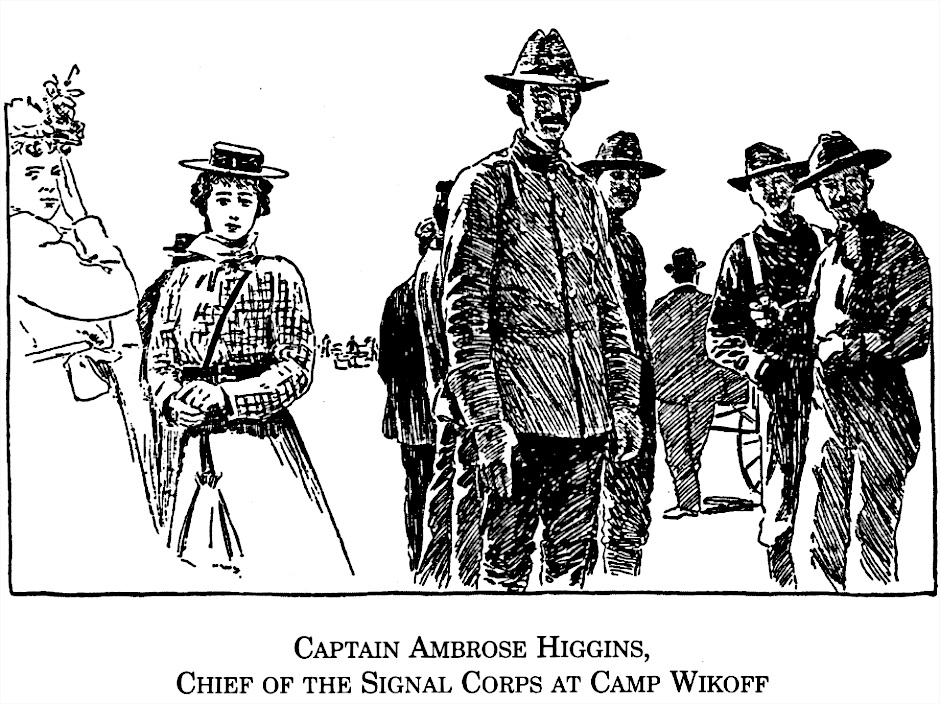
Captain Ambrose Higgins, 25 year old graduate of the University of Pennsylvania,
was a lawyer, surveyor, electrician, telegraph operator, photographer and draughtsman.
BULLY, pages 181-184 / The Sun
—————————————————
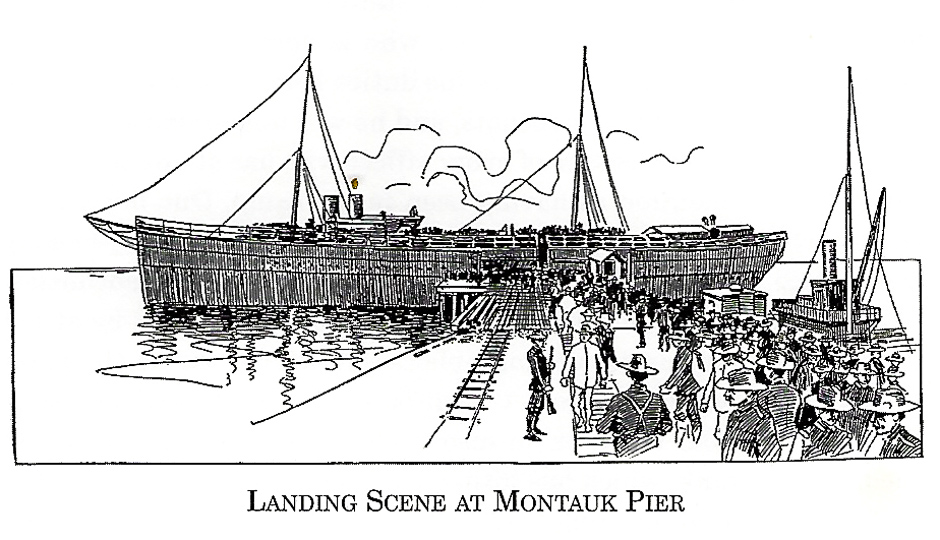
BULLY, page 187 / Chicago Tribune
—————————————————
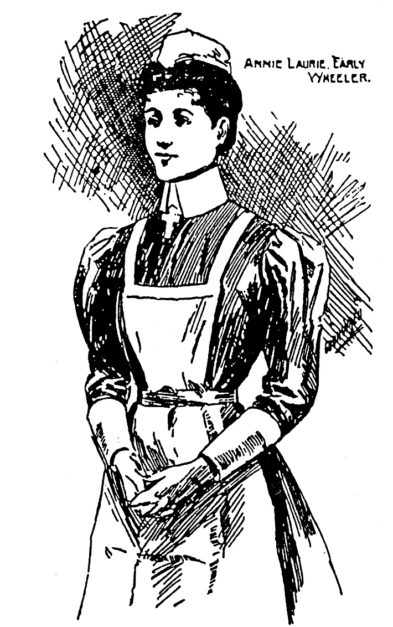
CAMP ANGEL
Red Cross Nurse Annie Wheeler — Gen. Joseph Wheeler’s Daughter.
BULLY, pages 119 – 121 / The World
—————————————————
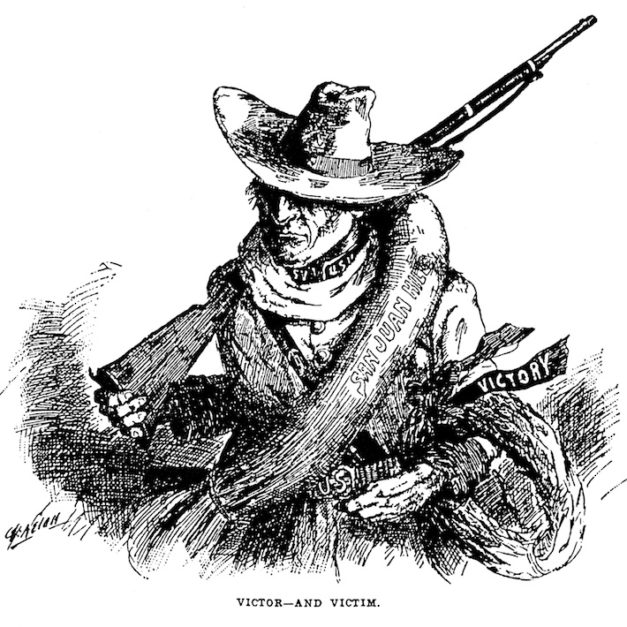
BULLY, page 185 / New York Herald, Illustrator Nelan
—————————————————
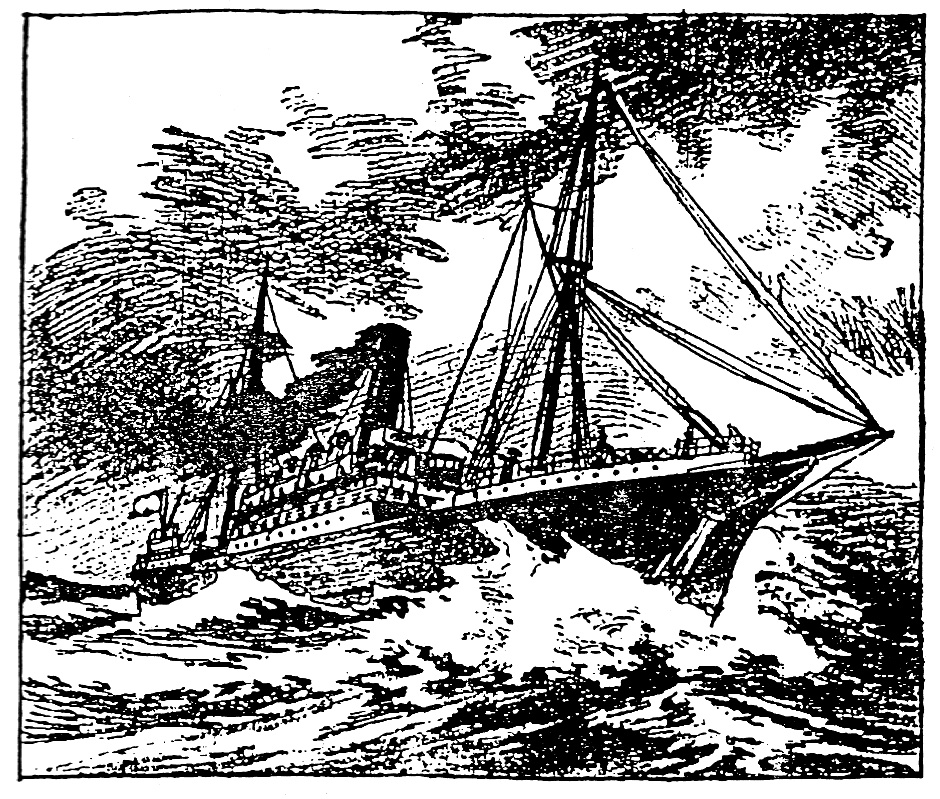

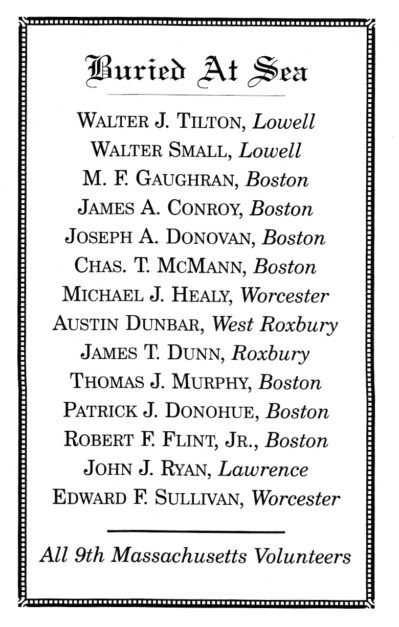
BULLY, pages 192 – 195 / Boston Glove, The World / Illustration, New York Evening Journal
—————————————————
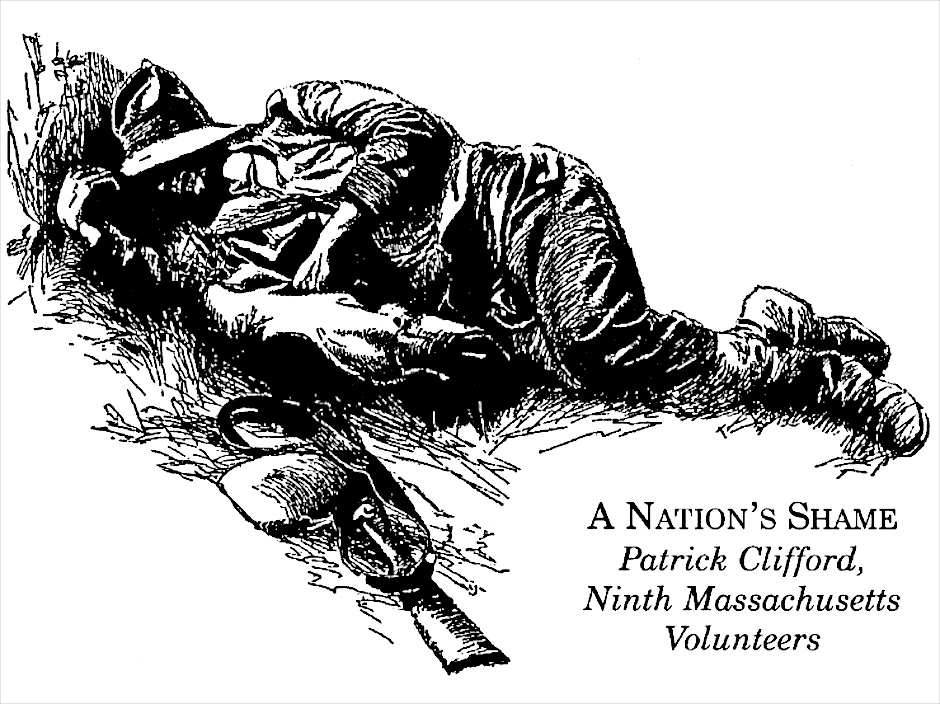
BULLY, page 195 / The World, Illustrator Heyer
—————————————————
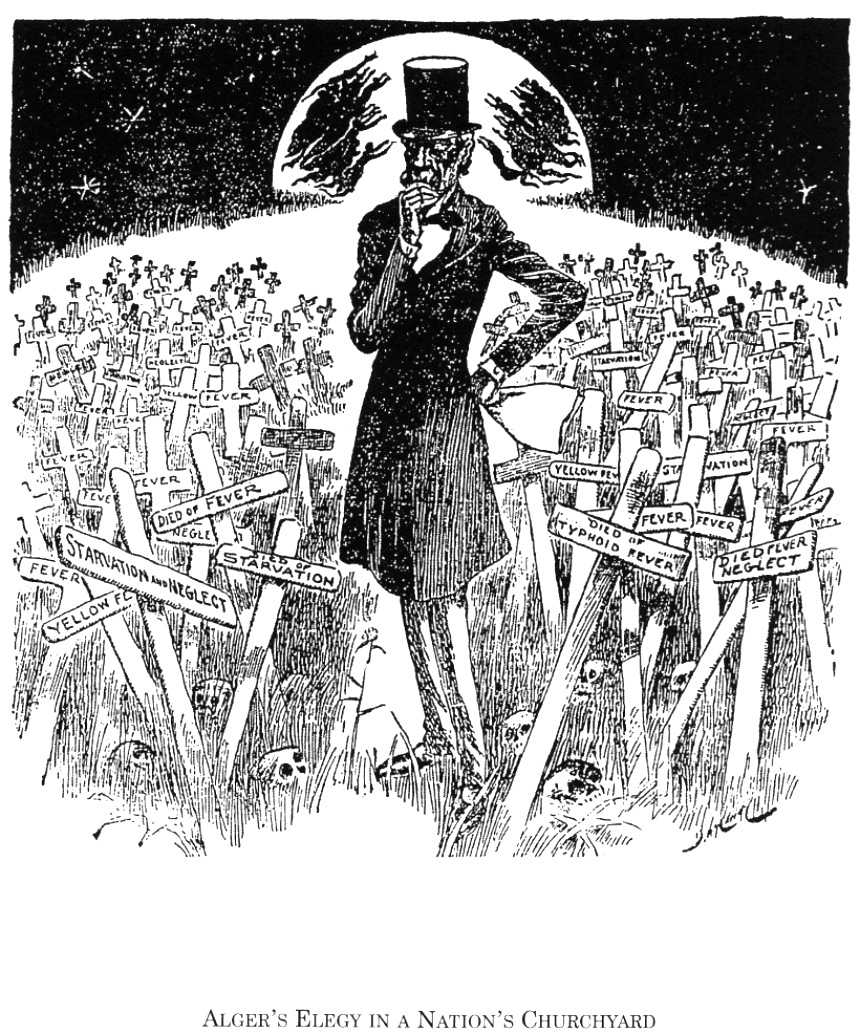
BULLY, page 204 / New York Evening Journal
—————————————————
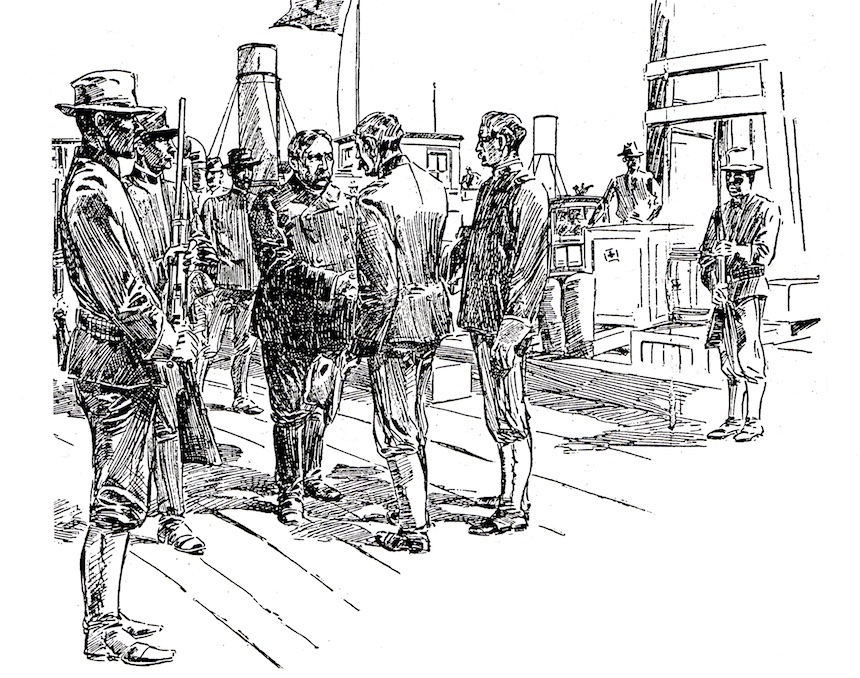
On August 31st, Major General William Shafter arrives at Fort Pond Bay on board the steamship Mexico.
BULLY, pages 213 – 214 / The World / Illustration, page 213
—————————————————
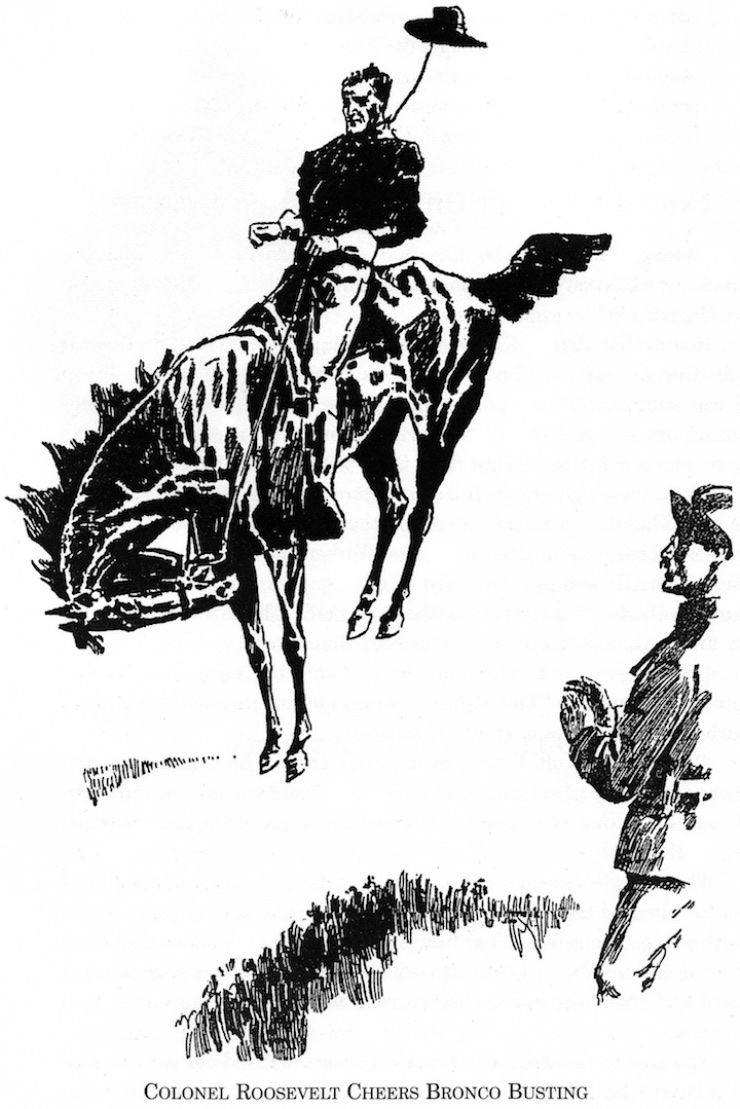
BULLY, page 215 – 217 / The World
—————————————————
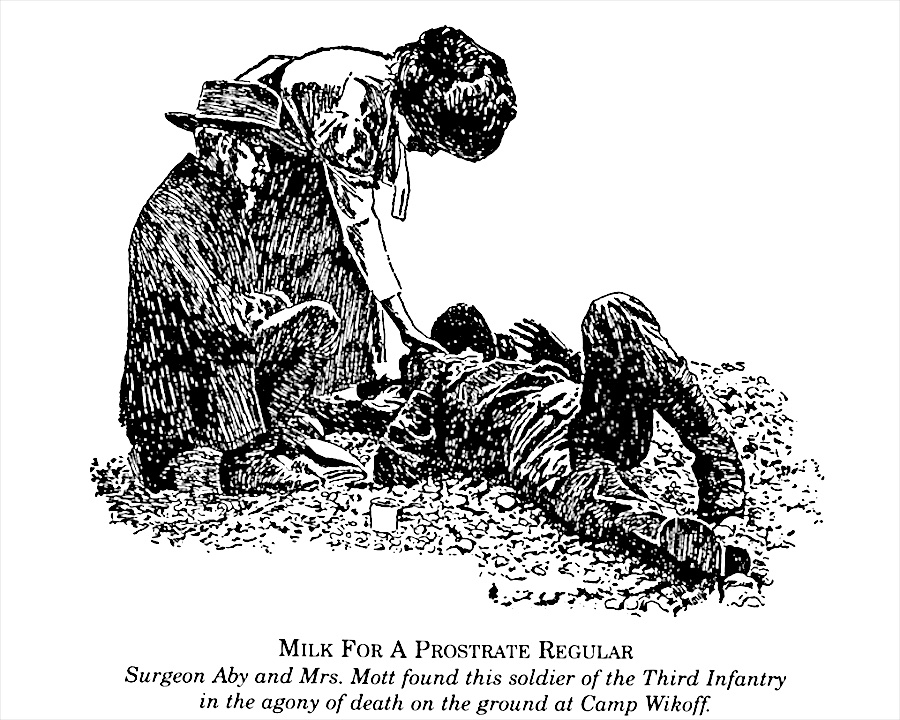
BULLY, page 220 / The World / Illustrator Heyden Jones
—————————————————
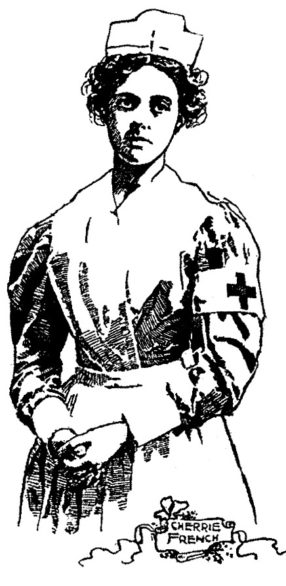
Red Cross Nurse Miss Cherrie French succumbed to exhaustion and taken to Bellevue Hospital. She regained her health and went back to Camp Wikoff to continue her work.
BULLY, page 221 / The World
—————————————————
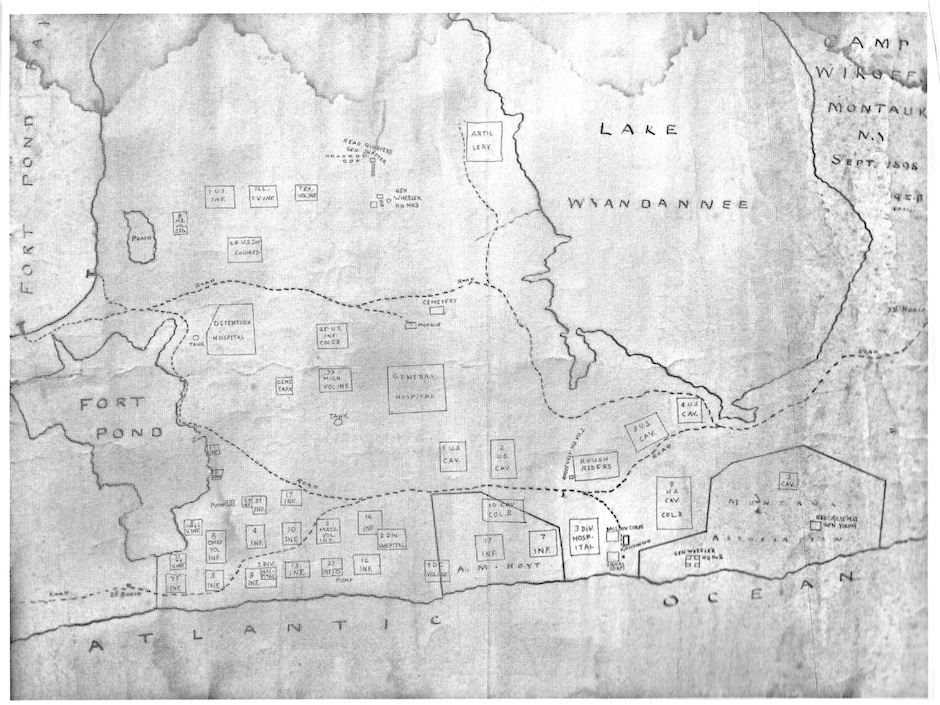
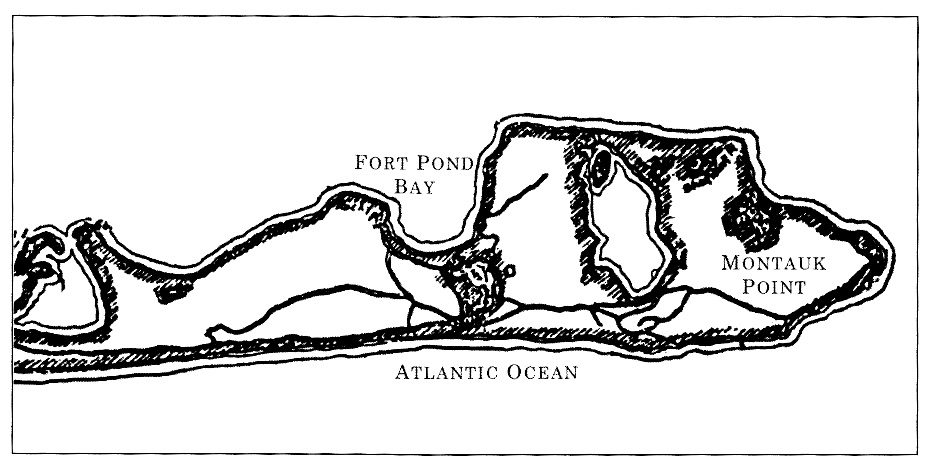
Camp Wikoff, the 4,200 acre military encampment.
Archival map — dated September, 1898 — is at the Montauk Point Lighthouse.
*****************************************************

~~~~~~~~~~~~~~~~~~~~~~~~~~~~~~~~~~~~
Saturday, September 3, 1898
————–

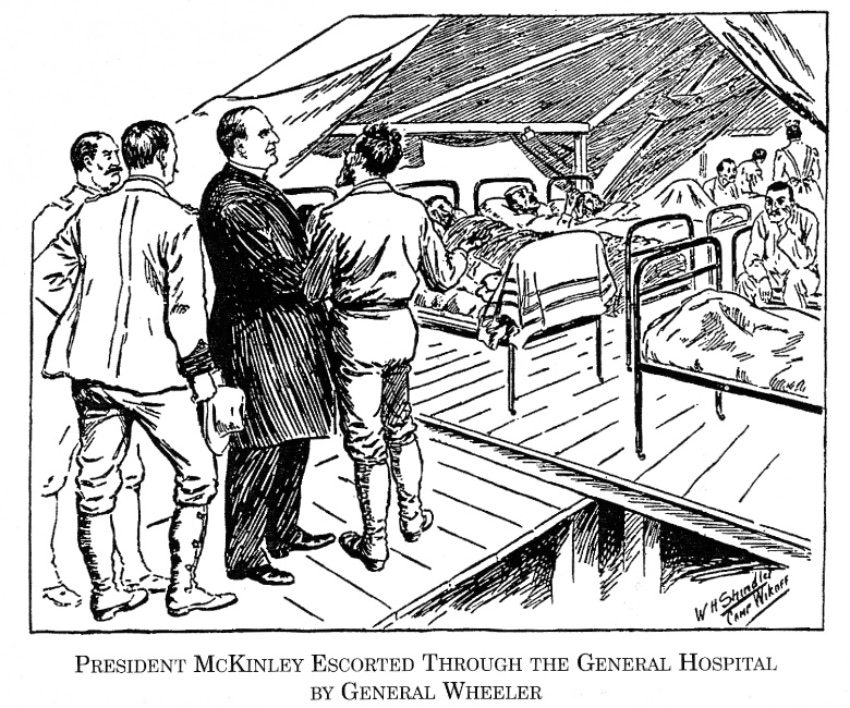
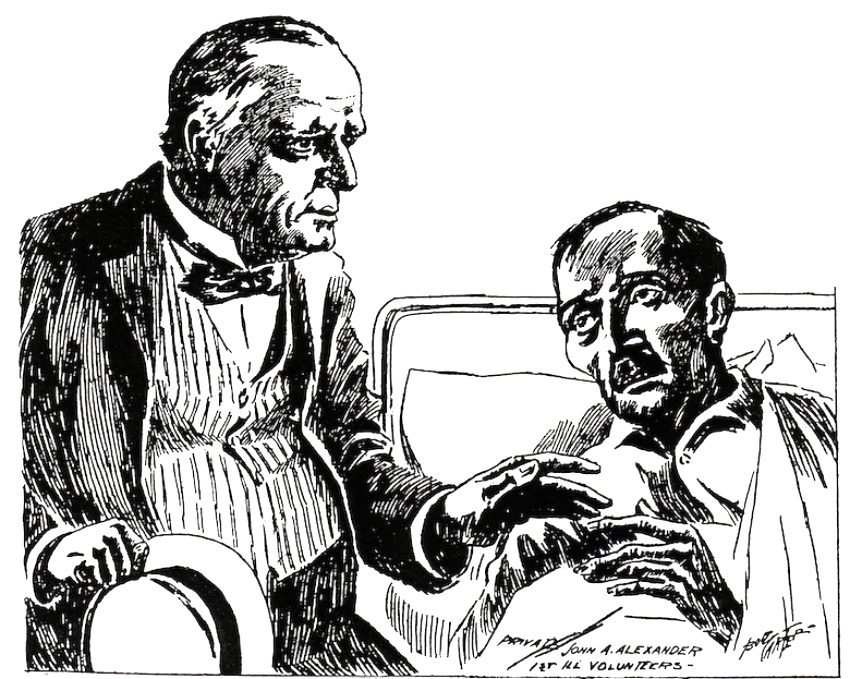
PRESIDENT WILLIAM McKINLEY
Commander-in-Chief of the Joint Forces
————————
————–
————–
————–
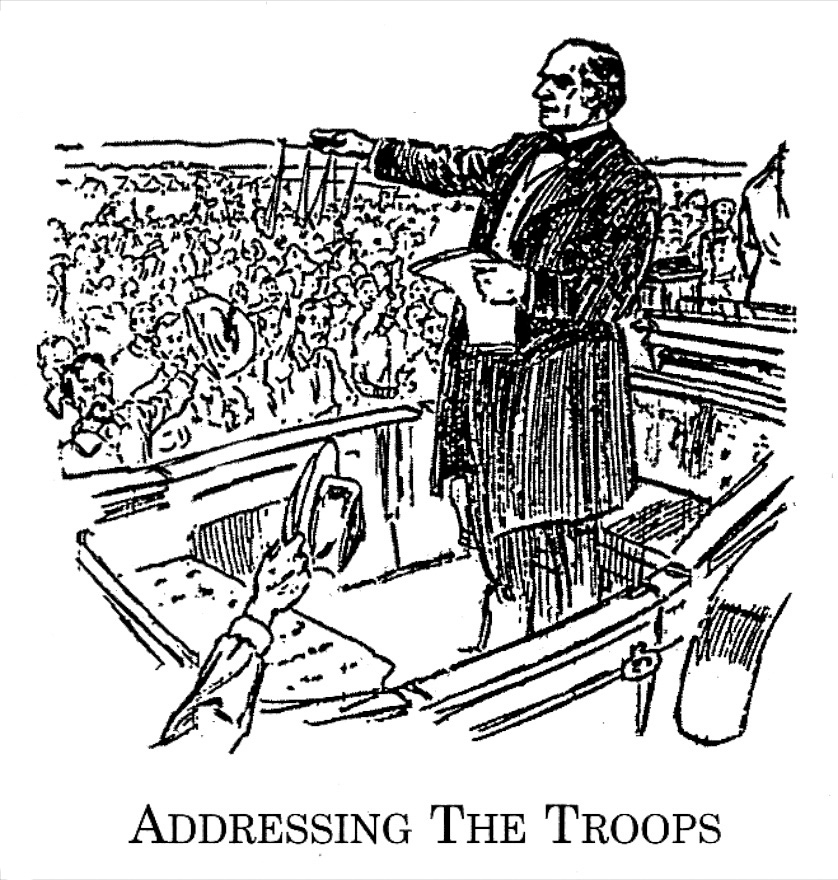
“I bring the gratitude of the nation,
to whose history you have added by your valor a new and glorious page.”
————–
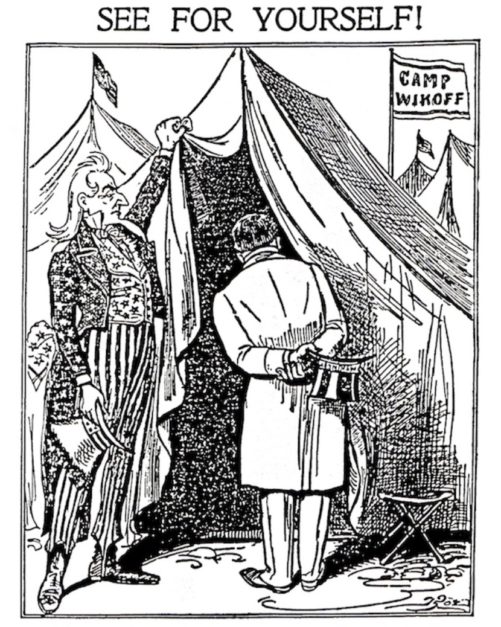
BULLY, pages 230 – 248 / The Sun, New York Tribune, New York Times, New York Press / Illustrations in order: Boston Globe, pp 239; The World, page 241, Illustrator, Carter; New York Herald, page 245.
***********************************************************
A Fist-Fighter’s Opinion
“This country ought to go broke on the heroes. It ought to send home every man who returned
from the war as fit as when he enlisted and with money in his pocket.”
— John L. Sullivan, the greatest of fist-fighters.
— The World, page249.
————————————————— 
BULLY, page 251 / The World
—————————————————
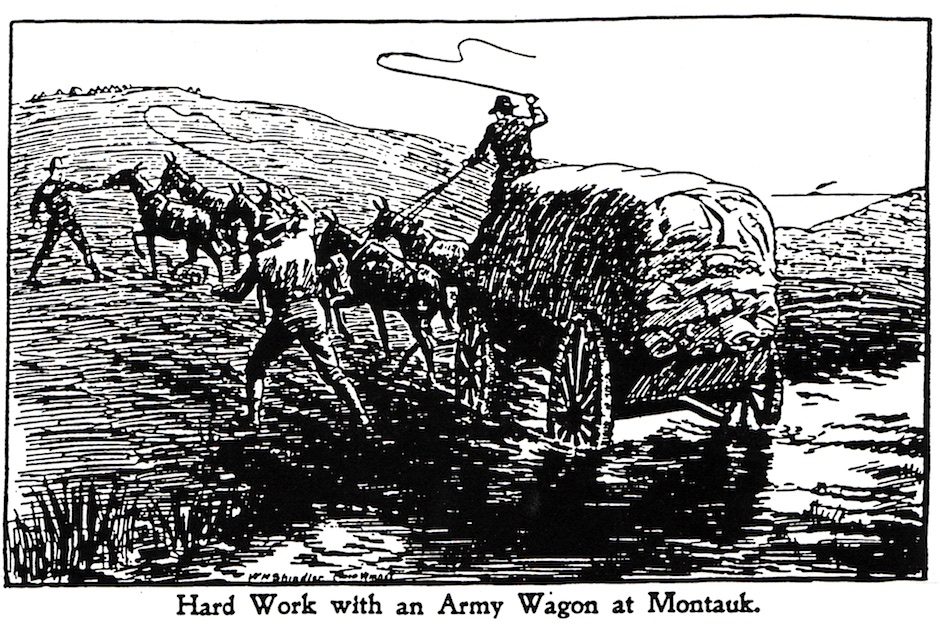
BULLY, page 256 / New York Press / Illustrator W.H. Shindler
—————————————————
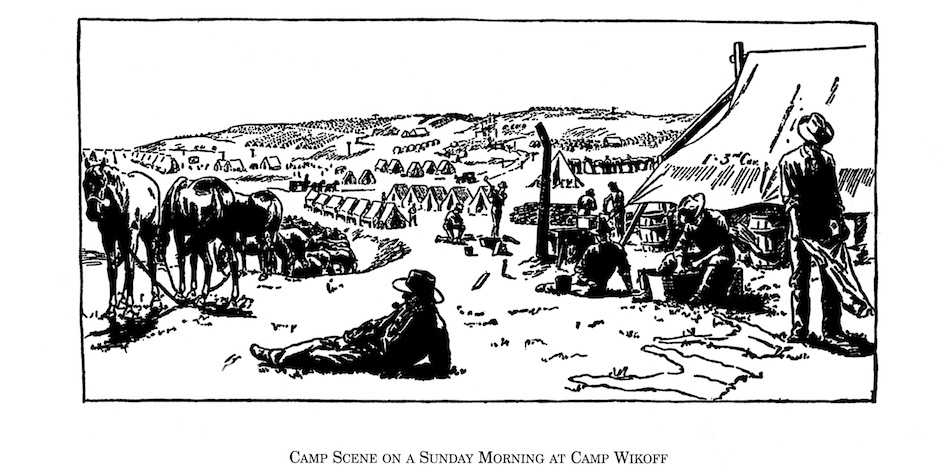
BULLY, page 260 / New York Herald / Illustrator, W.H. Shindler

—————————————————


Signature from Montauk Lighthouse visitor’s log. Col. Roosevelt visited the Lighthouse on September 6th.
Hundreds, if not thousands of soldiers, visited the lighthouse during Camp Wikoff.
BULLY, page 286 – 287 / The Sun / Illustration, The World
—————————————————
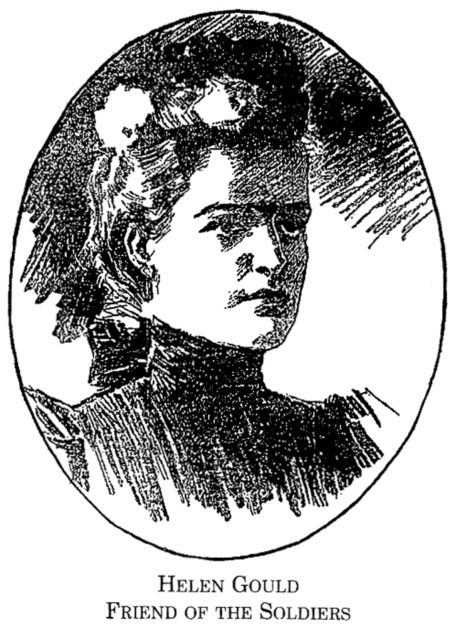
Helen Gould donated tens of thousands of dollars and visited Camp Wikoff multiple times.
BULLY, page 266 / New York Press by Harvey L. Reese | Illustration, New York Journal
—————————————————
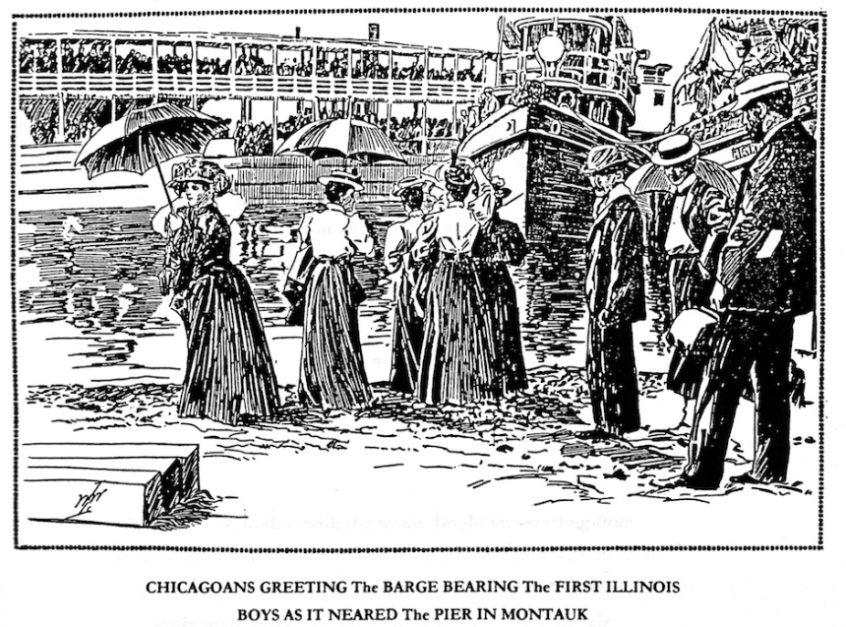
BULLY, page 272 / Chicago Tribune
—————————————————
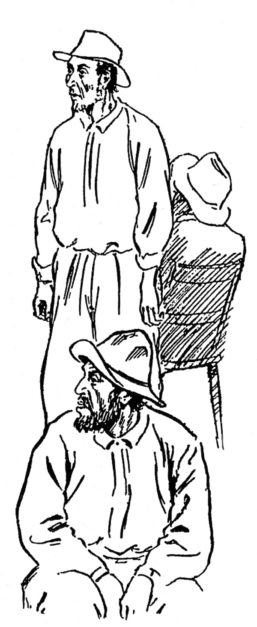
BULLY, page 279 / New York Press
—————————————————

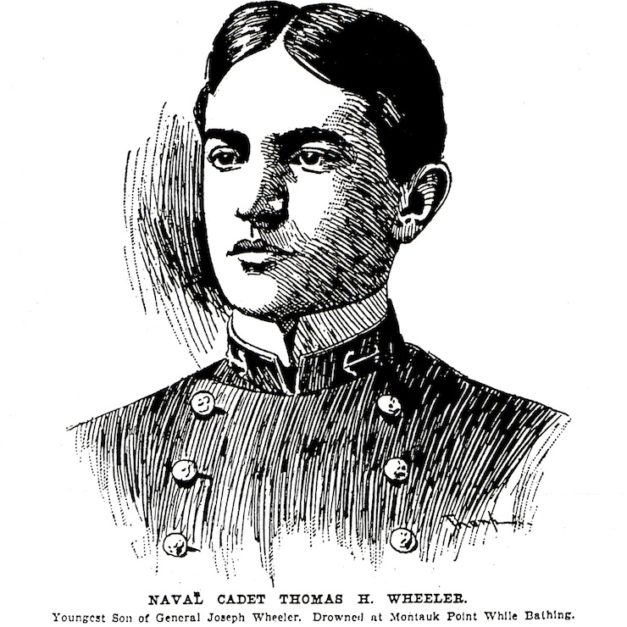
Thomas Wheeler drowned off Ditch Plains while attempting to save his friend, Lieut. Newton D. Kirkpatrick.
BULLY, pages 308 – 309 / Illustration, New York Herald / Illustrator, Thompson
—————————————————
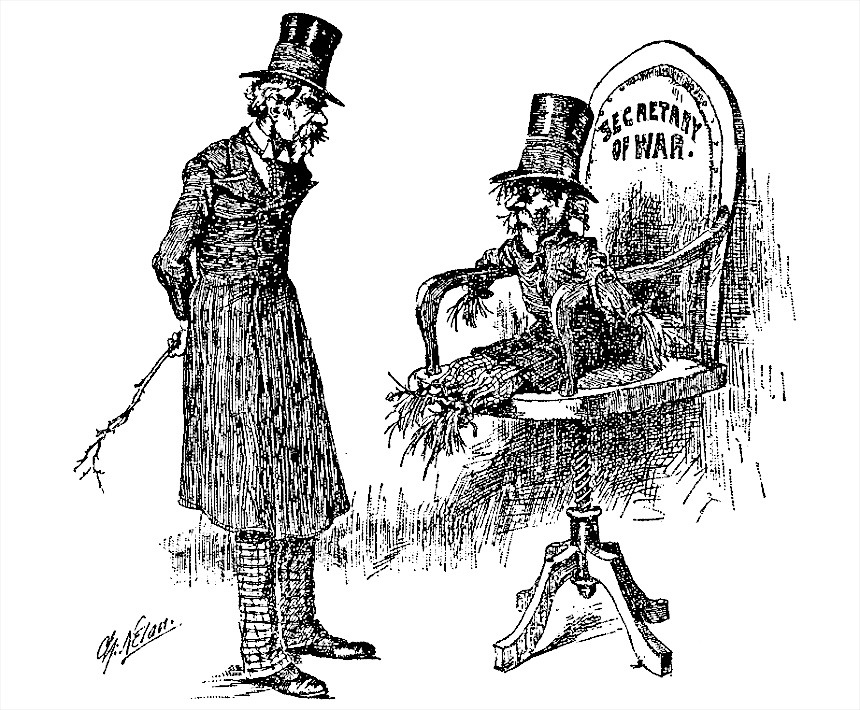
BULLY, pages 288 – 289 / Brooklyn Daily Eagle | Illustration, New York Herald / Illustrator, Nelan
—————————————————
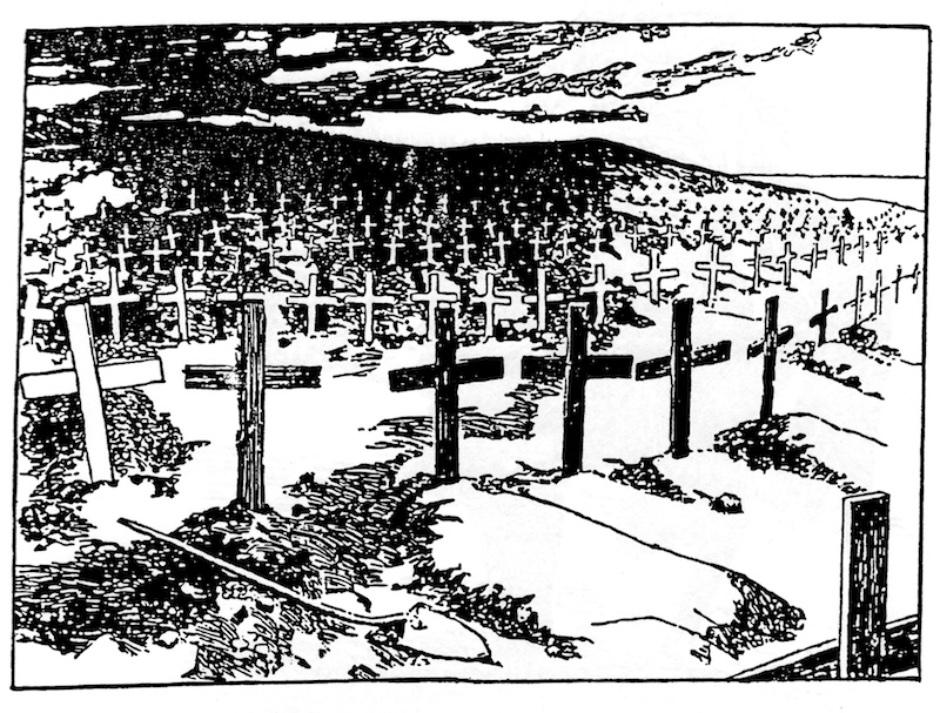

BULLY, page 306 / The World / Illustrator, Hayden Jones
—————————————————
They died the heroes’ death as truly as those who fell in the trenches at Santiago, and some day their admiring and grateful countrymen will build on that noble headland a memorial shaft fit for those who in Freedom’s battle have won an undisputed title as “bravest of the brave.”
— BULLY, pages 442 – 443 / John H. Hunt, Editor, Sag Harbor Express.
—————————————————
Three hundred forty fever-stricken soldiers died at Camp Wikoff,
more died in Montauk than at San Juan Hill.
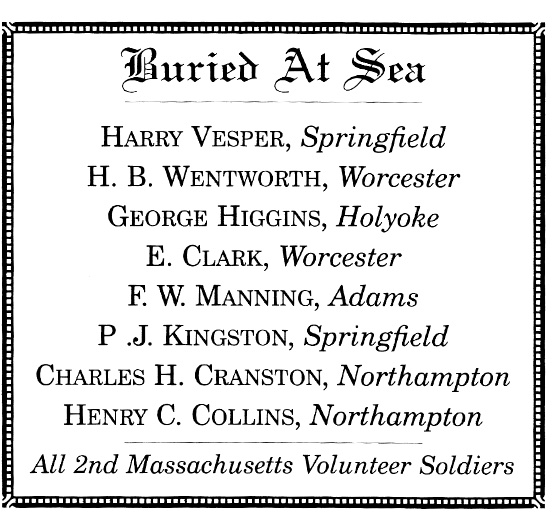
More than sixty soldiers died — and were buried at sea —
on the transports returning home from Santiago de Cuba.
—————————————————
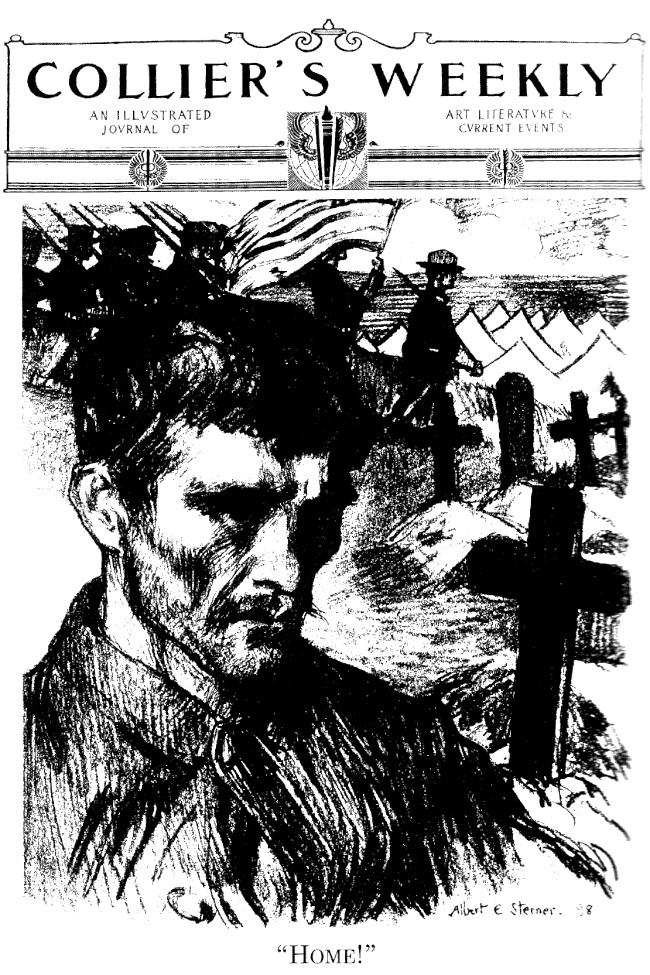
BULLY, page 394 | Collier’s Weekly / Illustrator Albert Sterner
—————————————————

“You cannot imagine how proud I am
of your friendship and regard.”
— Colonel Theodore Roosevelt
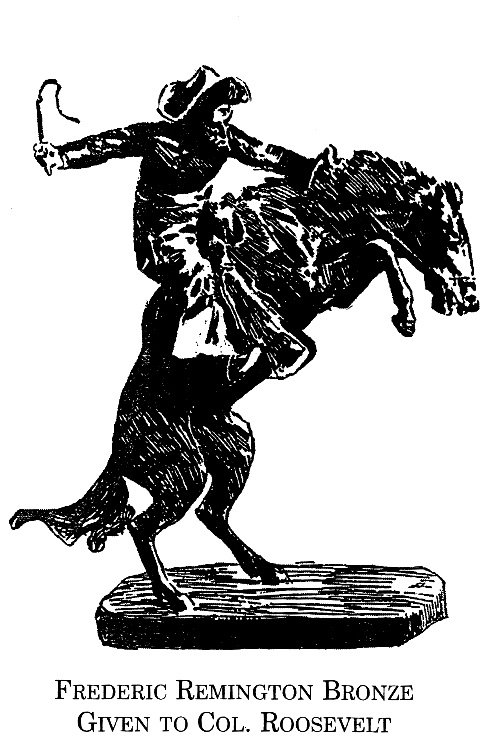
BULLY, page 328 / The World
—————————————————
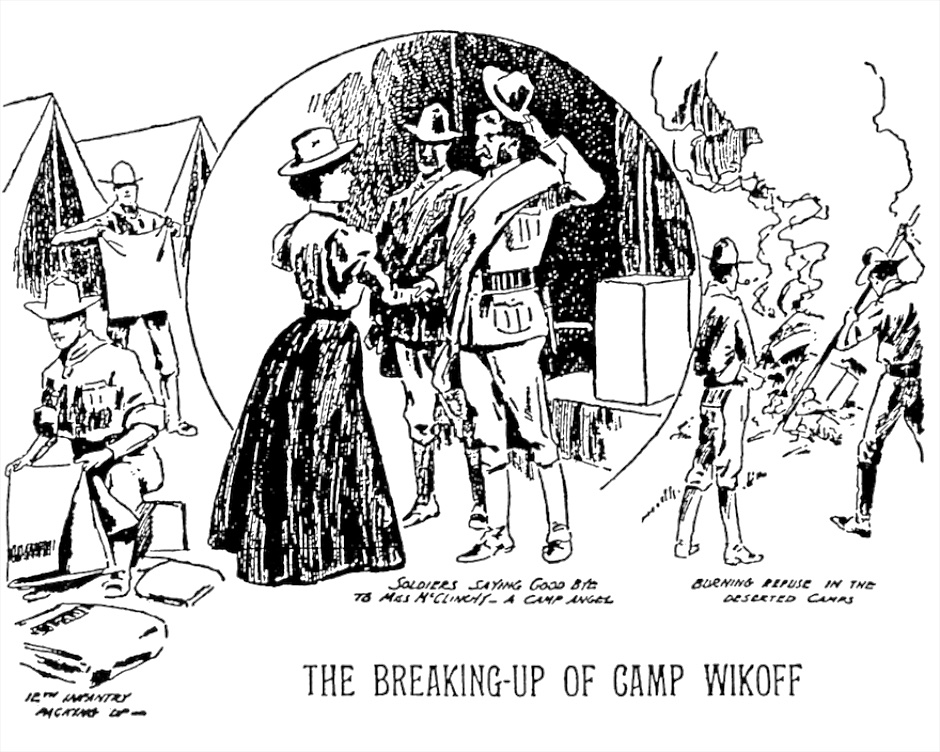
BULLY, page 330 / The World
—————————————————
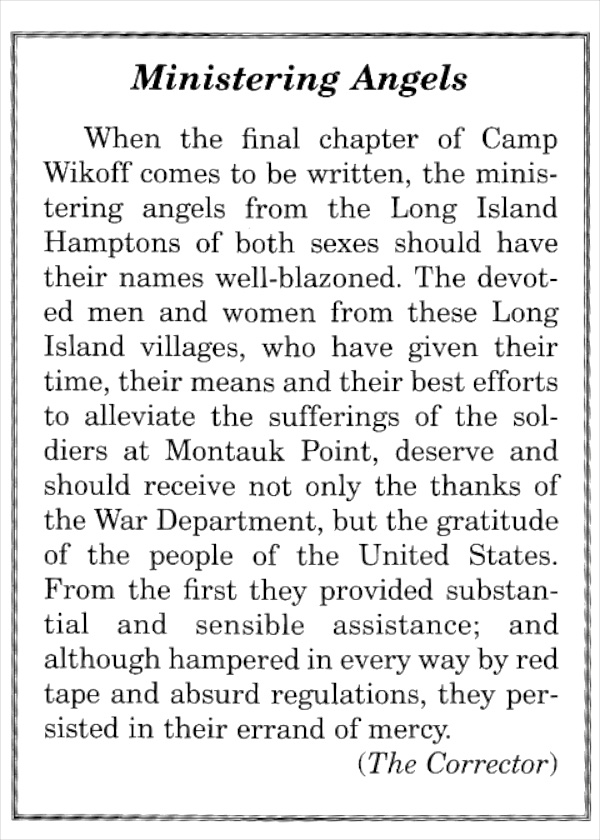
Editorial in Sag Harbor newspaper.
BULLY, page 354
—————————————-
BULLY, page 392 | The World
—————————————-
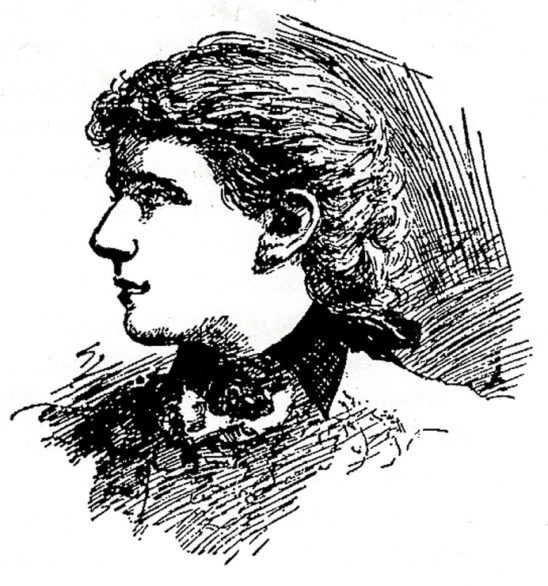
Reubina was an art student at Vassar before joining her mother at Camp Wikoff.
Against her mother’s wishes, however, she served as a nurse in the Detention Hospital, contracting typhoid fever.
BULLY, pages 446 – 447 / The World | Illustration, New York Press
—————————————-

~~~~~~~~~~~~~~~~~~~~~~~~~~~~~~~~~~~~~~~~~~~~~~~~~~~
 Report of the War Commission, February, 1899
“…. On the whole it may be said that Montauk Point was an ideal place for the isolation of troops who had been exposed to or had yellow fever, and for the recuperation of those greatly debilitated by malarial attacks of marked severity….
“In concluding its labors, it is with much pleasure that the commission reports that notwithstanding the haste with which the Nation entered upon the war with Spain, the resulting and almost inevitable confusion in bureau and camp, the many difficulties of arming, assembling and transporting large bodies of hitherto untrained men, the carrying on of active operations in two hemispheres, the people of the United States should ever be proud of its soldiers, who, co-operating with its sailors, in less than three months put an end to Spanish colonial power, enfranchised oppressed people, and taught the world at large the strength and nobility of a great Republic.”
New York Times, February 13, 1899
———————–
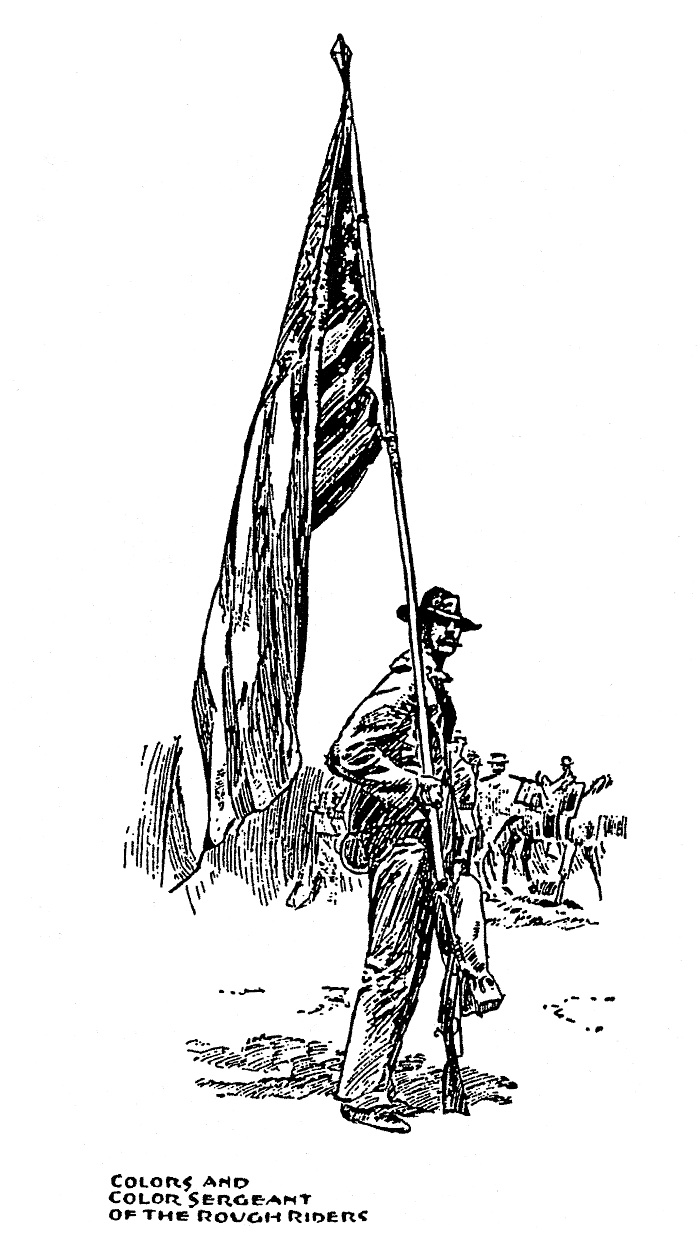
Flag illustration from the Chicago Tribune masthead / summer, 1898.
===============================
______________________________________________________
Echoing Through City Streets
EXTRA! EXTRA!
QUARANTINE IN MONTAUK
YELLOW FEVER! MALARIA! TYPHOID!
READ ALL ABOUT IT!
______________________
~~~~~~~~~~~~~~~~~~~~~~~~~~
w/ ADDED APPENDIX
——————
President McKinley’s Message to Congress, April 11, 1898
——————
Richard Harding Davis’ “Dashing Bravery of the Rough Riders,” July 4, 1898
——————
Lieut. John Joseph Pershing’s Account of Charge at San Juan Hill
——————
Citation — Medal of Honor Awarded Lieut. Col. Roosevelt, 2001
——————
Gen. Shafter’s Ultimatum to Gen. Toral, July 6, 1898
——————
America Emerges As An International Power / Gen. of the Armies Pershing
——————
Spain Leaves the Western World
——————
Army Beef Scandal of 1898
——————
Knickerbocker & Rough Rider William Tiffany Dies of Starvation
——————
Roosevelt’s Testimony to War Commissions Board
——————
American Red Cross / Report by Executive Howard Townsend, 1898
~~~~~~~~~~~~~~~~~~~~~~~~~~
350+ Entries, 125+ Illustrations + 12 Roosevelt Personal Letters + 17 Archival Photographs
——————
“A goldmine of information,” Dr. John Gable, 1998
Exec. Director of the Theodore Roosevelt Association
——————
‘”BULLY!” is as close to a time machine as one is likely to find between book covers,”
Author & Journalist Russell Drumm, East Hampton Star book review, 1998.
——————
Available on Amazon …. BULLY! link
————————————-
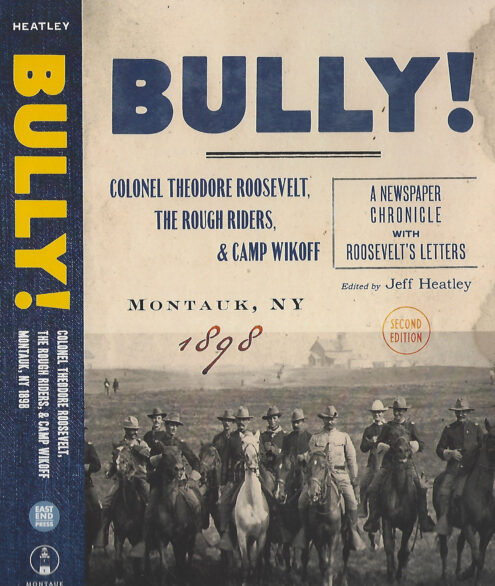
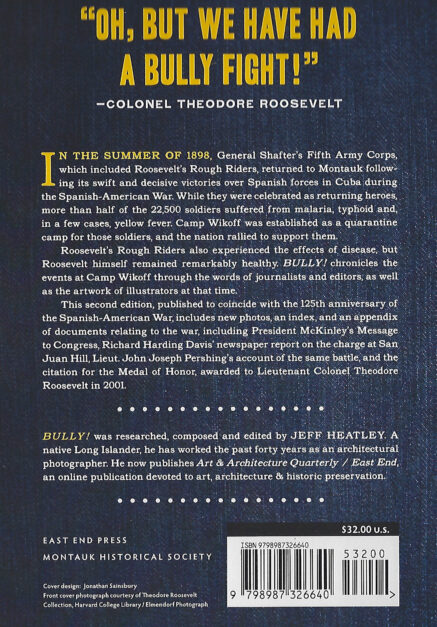
BULLY! Colonel Theodore Roosevelt, The Rough Riders & Camp Wikoff,
Montauk, New York, 1898. A Newspaper Chronicle. Edited by Jeff Heatley.
Second edition published by the Montauk Historical Society & East End Press,
with a grant from the Gardiner Foundation, 2023.
————————–

—– An Exclusive Portfolio —–
______________________________________________________
l,.