
|
||||||||||||||||||||||||||||||||||
|


 Roosevelt’s second inauguration was the most diverse in history up to that point. Six Native American chiefs, a brigade of sixty cowboys from the Dakotas and surrounding states, some of Roosevelt’s Rough Riders, and even coal miners were part of the inauguration parade that included over 35,000 participants.
 At the conclusion of the parade, which took place on a sunny but cold and windy day, Roosevelt took the oath of office wearing a ring that held a lock of Abraham Lincoln’s hair with his hand on a Matinecock Lodge Bible opened to James 1:22-23, verses emphasizing the importance of action—a principle he also echoed in his inaugural address.
 In the first 100 days of his second term, Roosevelt only made one cabinet member change, appointing George B. Cortelyou Postmaster General two days after his second term began. But Roosevelt dove into the issues of his day with great vigor—most notably overseeing regulatory efforts and promoting conservation on the domestic front.
 Known for his trust-busting, Roosevelt emphasized a number of regulatory efforts, including food safety regulations later in his second term, spurred in part by public outcry after the publication of Upton Sinclair’s immensely popular The Jungle as a serial in 1905. The end result was the passage of the Meat Inspection Act of 1906 and the Pure Food and Drug Act of 1906.
 Conservation was another important priority during Roosevelt’s second term. A month before his inauguration, he oversaw the creation of the United States Forest Service and the appointment of Gifford Pinchot as the first chief of the Forest Service—which initiated the beginning of conservation efforts in the Forest Service. After Congress passed the Antiquities Act in 1906 later in his term, Roosevelt created five national monuments, including protecting the Grand Canyon (which later became a national park in 1919).


~~~~~~~~~~~~~~~~~~~~~~~~~~~~~~
|
|
——————————-
==============================================================
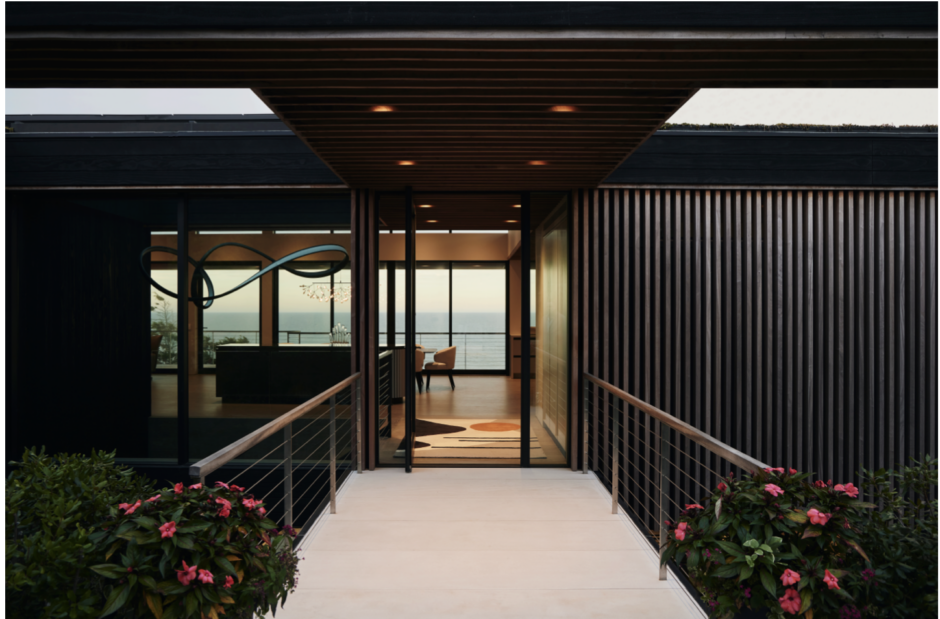

AAQ / Resource: Stelle Lomont Rouhani Architects
=======================================================
AAQ / Resource: Ben Krupinski Builder
=================================================

AAQ / Resource: Araiys Design Landscape Architects
______________________________________________________________