
UPDATED Noon, JUNE 16, 2026
Proposal to Establish America’s Tenth National Military Park
HOMECOMING
America’s Wars preceding 1898 were fought on the mainland, from the Revolutionary War to the Civil War.
The Spanish-American War and wars since have been fought overseas.
The great military encampment in Montauk, 1898, marked a turning point in America’s military history.
———————-
National Military Park Criteria
————
1- Historic Event / Significance
America’s First Veterans of a Foreign War Fought Oversea
first returned home at Fort Pond Bay, Montauk.
————
2 – Historic Figures & Organizations
President William McKinley
Colonel Theodore Roosevelt & the Rough Riders
Generals William Shafter & Joseph Wheeler
Lieut Black Jack Pershing & the Buffalo Soldiers
American Red Cross, founded in 1881, first contracted by the U.S. Government to provide nurses to the hospitals at Camp Wikoff, ending an all-male policy. National Women’s War Relief Association, Sisters of Charity and East End Relief Corps, provided additional aid.
————
3 – Structures
Montauk Point Lighthouse – Beacon of Hope
Third House – Camp Wikoff Headquarters
Train track bedding dating to 1898, including to the Iron Pier
————
4 – Land / Acreage
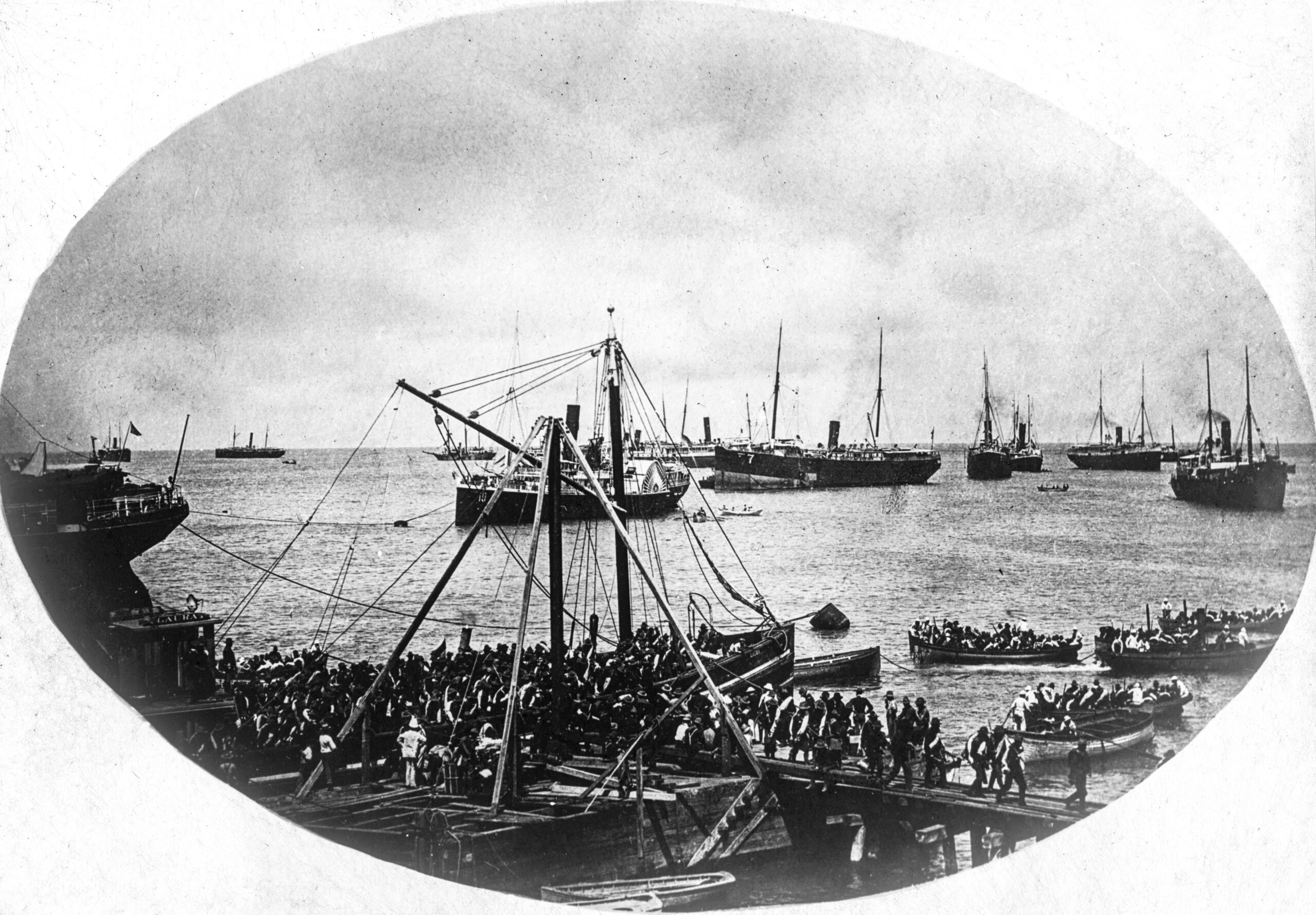
Fort Pond Bay as the. homeport of America’s First Veterans of a Foreign War — more than 40 transports, with 22,500 troops directly from Santiago de Cuba anchored in the Bay. Soldiers had to wait, sometime days on board, for medical clearance in order to debark.
———————-
Historic Dates
July 17th — Gen. Toral surrenders the city of Santiago de Cuba to Gen. Shafter, ending that campaign.
August 4th — Sec. of War Alger orders the Fifth Army Corps to Montauk Camp for recuperation in preparation for the fall campaign against Havana. following the Officers’ Round Robin Protest.
August 8th — Montauk Camp officially opens with the arrival of troops from southern posts.
Armistice Proclamation signed by President McKinley, ending hostilities (Treaty of Paris, December 10th)
August 11th — The military camp at Montauk named, Camp Wikoff, in honor of Col. Charles Wikoff, killed in action at Santiago on July 1st.
August 13th — Gate City first transport to arrive from Santiago de Cuba
————

——————————
Rough Rider Edwin Emerson Photograph courtesy of the Theodore Roosevelt Collection, Harvard College Library.
——————————

Double-Page Spread / Joseph Pulitzer’s The World, August 15, 1898 — page 57.
————
22,500 Troops arrive on more than 40 Transports from the arrival of Gate City, August 13th
thru the arrival of Vigilancia, September 13th
————
August 15th — Gen. Joseph Wheeler, Col. Roosevelt & the Rough Riders debark at Fort Pond Bay
September 3rd — President William McKinley tours Camp Wikoff, and addresses the assembled troops on Montauk’s Great Plain.
———————–
Addressing 5,000 assembled troops, President McKinley said, “…I bring you the gratitude of the nation, to whose history you have added a new and glorious page. You have come home after two months of severe campaigning, which has embraced assault, siege and battle — so brilliant in achievement, so far-reaching in results as to earn the unstinted praise of all your countrymen….your endurance under peculiar trial and suffering has given added meaning to American heroism…” — September 3, 1898/ New York Sun/ BULLY! page 245.
———————–
September 5th — Col. Roosevelt delivers his first Bully Pulpit during the church service.
September 13th — Col. Roosevelt bids Farewell to the Rough Riders
September 14th — The First U.S. Volunteer Cavalry, popularly known as the Roosevelt’s Rough Riders, including Colonel Roosevelt, are mustered out of service. Rough Riders present Col. Roosevelt with Remington’s Bronco Buster statuette, as a gift in appreciation. — — September 3, 1898/ New York Sun/ BULLY! page 223 – 228.
October 9th — Sec. of War Alger orders the Seventh Infantry to move to posts in Michigan, officially ending the great encampment.
———————-
Overlay Park Components
Overlay Park Components, adding signage, monuments & dedicated benches
to town, county and state parklands that were part of the Camp Wikoff 4,ooo-acre encampment.
Archival Map
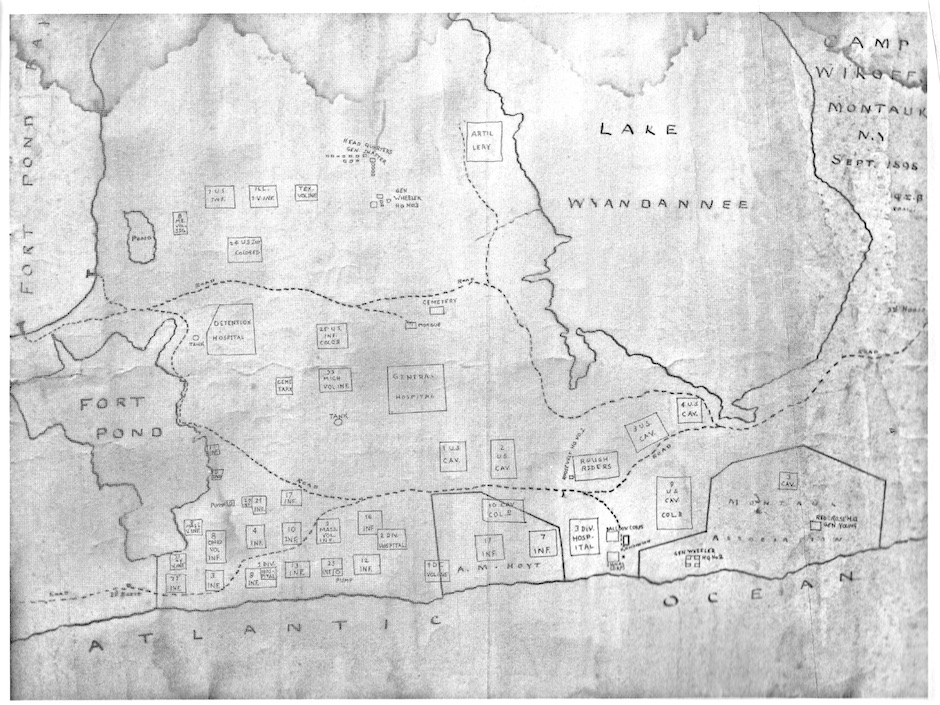
Archival Camp Wikoff map — dated September, 1898 — courtesy of Montauk Historical Society.
————
The Fifth Army Corps, including the Rough Riders: more than half the troops suffered from tropical fevers — malaria, yellow fever, typhoid and dysentery, some from malnution — 340+ died of those diseases or starvation (Army Beef Scandal of 1898).
More soldiers died in Montauk than at San Juan Hill.
———————————-
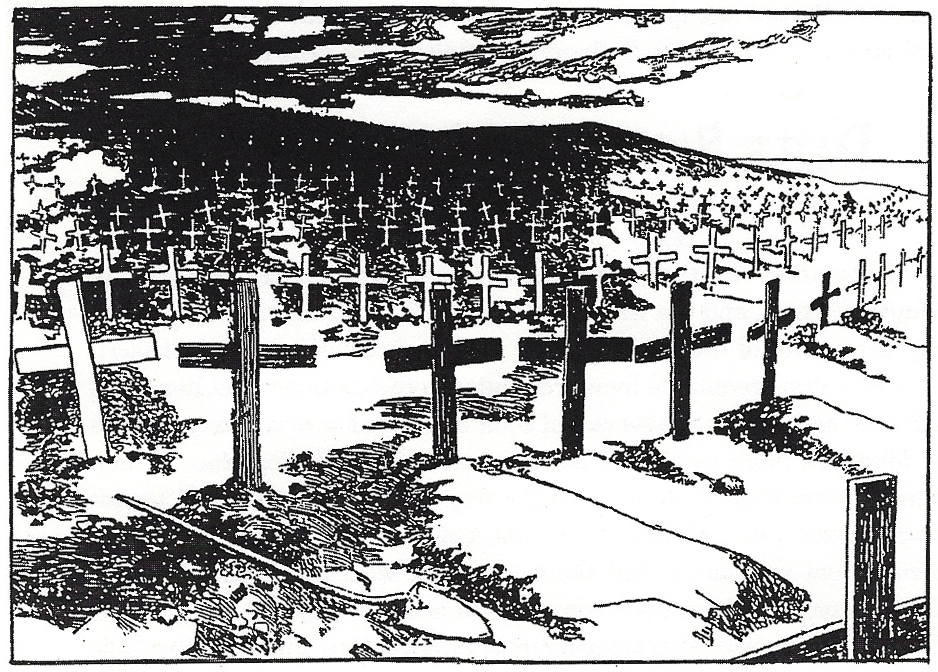
— Joseph Pulitzer’s The World / Hayden Jones, Illustrator, September 9, 1898 / BULLY page 306.
———————————-
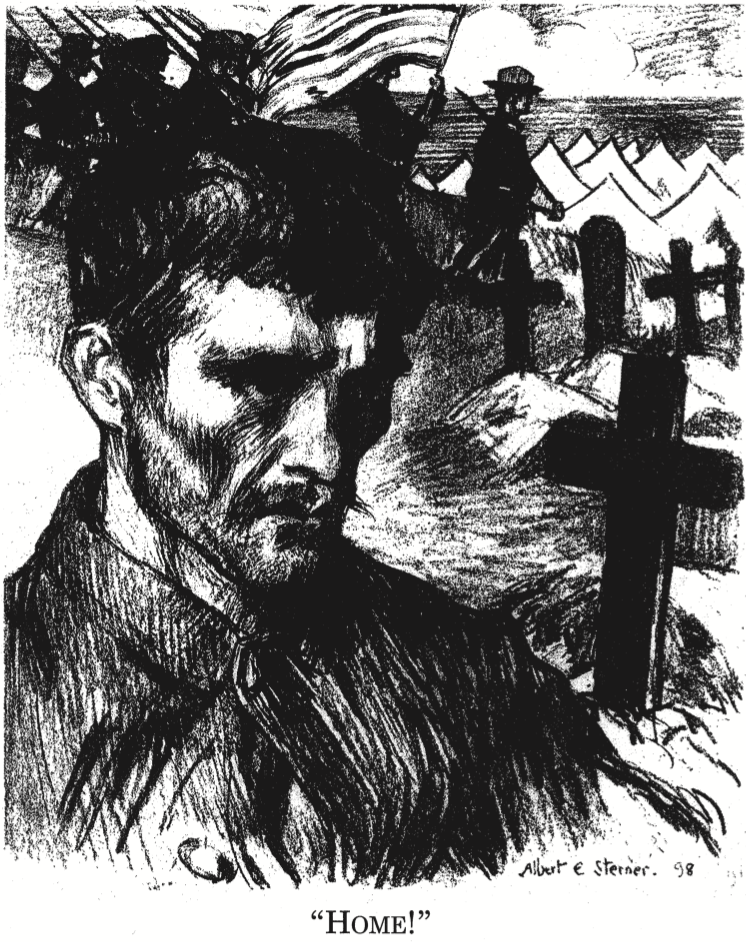
— Cover / Collier’s Weekly, September 24th, 1898 / BULLY page 394.
————————–
“The brave officers and men who fell in battle and those who have died from exposure will live in immortal story, and their memories will be perpetuated in the hearts and history of a generous people.”
— President William McKinley, addressing the troops assembled on the Great Plain in Montauk,
September 3, 1898/ New York Sun/ BULLY! page246.“They died the heroes’s death as truly as those who fell in the trenches at Santiago, and some day their admiring countrymen will build on the noble headland a memorial shaft fit for those who in Freedom’s battle have won an undisputed title as “bravest of the brave.”
— John H. Hunt, Editor, Sag Harbor Express, October 6, 1898 / BULLY! page 443.
———————–
Register of Deaths at Camp Wikoff / ‘Bravest of the Brave’ / BULLY! pages 499 – 508
————————-
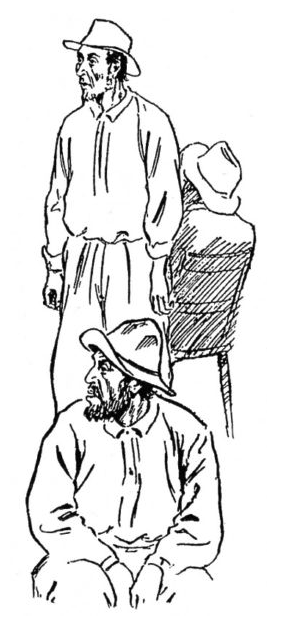
Most of the deceased were transferred to their hometowns. Approximately 50, including 6 unknown soldiers, were re-interred at Cypress Hills National Cemetery in Brooklyn.
Many more soldiers would have died if not for the volunteer service of East End residents, who often risked their lives treating fever-stricken patients — in 1898, yellow fever and malaria were considered contagious / transmission by mosquito was not known at that time. Some volunteer nurses did, however, contract typhoid fever and die from that disease, including Helen Walworth’s daughter Reubena, who served as a nurse in the Detention Hospital.
—————————-
When the final chapter of Camp Wikoff comes to be written, the ministering angels
from the Long Island Hamptons of both sexes should have their names well-blazoned.— Ministering Angels / The Corrector (Sag Harbor), September 17, 1898 / Page 354.
———————–
[ Illustration to the right is a detail from an illustration in the New York Press, September 5th.]
~~~~~~~~~~~~~~~~~~~~~~~~~~~~~~~~~~~~~~~~~
“We have everything,” said a young lieutenant.
“We have life and we have death.”
— Commercial Advertiser, August 24, 1898.
~~~~~~~~~~~~~~~~~~~~~~~~~~~~~~~~~~~~~~~~~
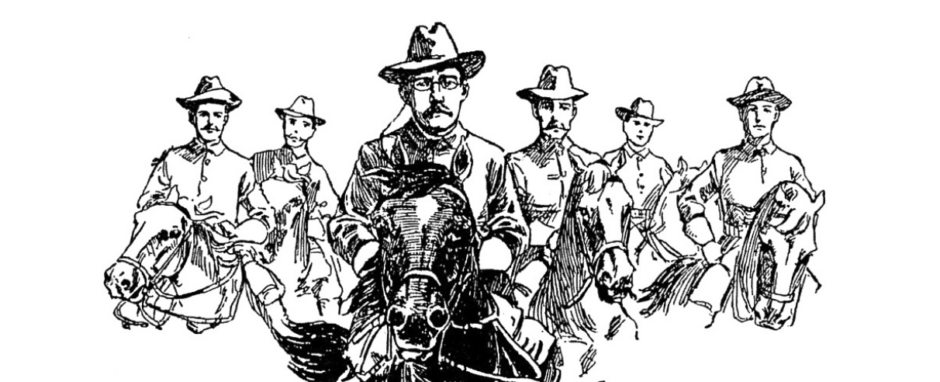
— Joseph Pulitzer’s The World, August 28, 1898
More than half of the 29,500 soldiers at Camp Wikoff suffered the ill-effects of tropical fevers or malnourishment; however, thousands were healthy and enjoyed their stay in Montauk — hiking, swimming, horseback riding, and skylarking. Every afternoon in fine weather, Col. Roosevelt would lead Rough Riders across the dunes for an ocean swim at Ditch Plains. The Rough Riders also held Bronco-Busting tournaments.
—————————-
Col. Roosevelt stood at the head of the mess tent with his head up, his chest expanded and his powerful arms outstretched, breathing deep of the fresh sea air ….
“Oh,” he said with a long sigh of prophetic regret,
“I shall miss this place when it’s all over!’
Then he jumped on his horse and was soon a speck, rising and falling on a distant and darkening hillside.
— The Sun, September 12, 1898 / BULLY page 319.
~~~~~~~~~~~~~~~~~~~~~~~~~~~~~~~~~~~
Proposed Annual Schedule of Events
————————–
Month of APRIL 
Navy Vessel anchors in Fort Pond Bay, offering tours
———
Last Weekend in April
Camp Wikoff Lectures, Montauk / Last weekend in April
[Topics: Tropical Fevers & Quarantine / Fifth Army Corps / Roosevelt Rough Riders / Lieut. Pershing & Buffalo Soldiers / General Joseph Wheeler / Army Hospitals / American Red Cross …. & via Zoom]
Half-Marathon / Spring: Fort Pond Bay <> Montauk Lighthouse
Ocean Beach Walk & Shadmoor State Park Hike
———
Month of MAY
Spanish-American War Lectures, Long Island & beyond
@ Historical Societies, Libraries & Schools
[ Topics: Spanish-American War / Cuba, Then & Now / Army Beef Scandal 1898 / Round Robin / Cavalry / War & Technology / Foreign Relations / NYS Politics, 1898 / Sagamore Hill …. & via Zoom]
——————————-
Third Weekend in OCTOBER
Third House Re-Enactments / Third weekend in October
Col. Theodore Roosevelt, Gen. Joseph Wheeler & other Re-Enactors
Demonstrations: Bugle Calls / Wigwagging
Army Band / Music of 1890s
Horseshoe Tournament / Hike to Montauk Lighthouse
——————————-
NOVEMBER
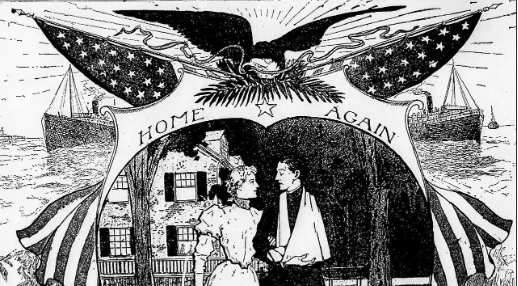
— Boston Globe, August 21, 1898
———————–
Third Weekend in NOVEMBER
Half-Marathon / Fall: Fort Pond Bay <> Montauk Lighthouse
—————–
MAJOR ANNUAL EVENT:
HOMECOMING
Tribute to Military & Civilian Volunteers
@ Fort Pond Bay Beach / Third Sunday in November:
Historic significance of Camp Wikoff (guest speaker)
Reading of the Names the soldiers who died at Camp Wikoff and of those who died at sea
Singing of John Howard Payne’s ‘Home! Sweet Home! (by a soloist).
————————
Year-Round Activities: Self-Guided Bike & Hike Tour of Historic Camp Wikoff
Weekend Platform / Wall Tent Camping @ Third House w/ Select Veterans-only Weekends
——————————–
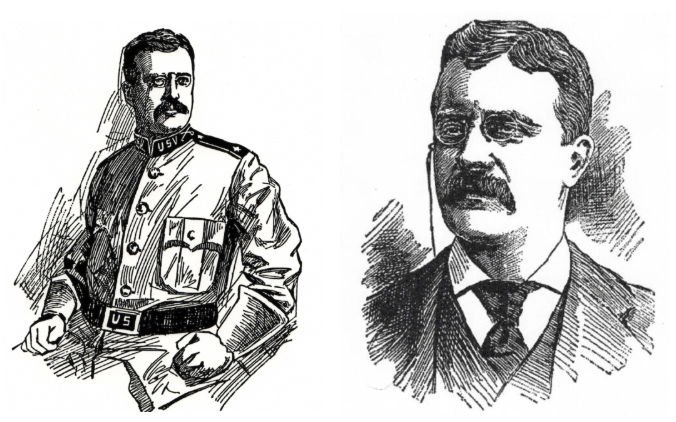
Colonel Theodore Roosevelt to NYS Governor-Elect / 1898
The Traveler newspaper / left — Boston Globe, November 9th, 1898
——————————–
February 12, 1899
Report of the War Commission
In concluding its labors, it is with much pleasure that … not withstanding the haste which with the Nation entered upon the war with Spain, the resulting and almost inevitable confusion in bureau and camp, the many difficulties in arming, assembling, and transporting large bodies of hitherto untrained men, the carrying on of active operations in two hemispheres, the people of the United States should ever be proud of its soldiers, who, co-operating with its sailors, in less than three months put an end to Spanish colonial power, enfranchised oppressed people, and taught the world at large the strength and nobility of a great Republic.
— New York Times / BULLY! page 459.
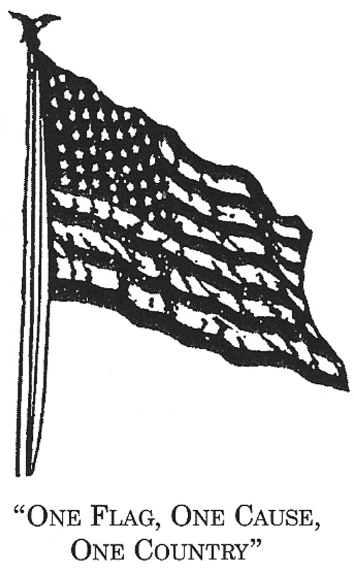
— Illustration: Chicago Tribune Masthead, 1898
——————————–
Check out the following Portfolio links:
————-
Camp Wikoff: Colonel Theodore Roosevelt & The Rough Riders …. link
————-
And, also, for you entertainment:
————-
Self-funded research by Jeff Heatley of this historic event, begun in May, 1971, at the request of his father.
Two editions of BULLY! have been published by Montauk Historical Society (first in 1998 with Pushcart Press, second in 2023 with East End Press and a Grant, from the Gardiner Foundation).
——————————–
For a variety of reasons this great historic event has been effectively forgotten on Long Island and in the rest of the country.
Let’s hope that, in this celebratory year of 2026, some attention will be paid to honor the civilian & military volunteers who risked their lives for their country, and for the liberation of Cuba, in the summer of 1898.
————————–

BULLY! book Promo: ‘BULLY! Colonel Theodore Roosevelt, The Rough Riders …. link
~~~~~~~~~~~~~~~~~~
“Book is a gold mine of information.”
Dr. John Gable, 1998, Executive Director,
Theodore Roosevelt Association.
————
“A gem….BULLY! is as close to a time machine as one
is likely to find between book covers.”
Russell Drumm, EH Star reporter, 1998 / Arthur of ‘In The Slick of the Cricket.
————————-
Email inquiries to: info@aaqeastend.com
~~~~~~~~~~~~~~~~~~~~~~~~~~
Also, as the weather has improved, consider —
Bike / Hike / Run / Ocean Swim / Horseback Ride Tour of Historic Camp Wikoff sites…. link
~~~~~~~~~~~~~~~~~~~~~~~~~~
Camp Wikoff NMP Proposal: Newsletter # 4 / June 15th, 2026 …. link
——————————————–

__________________________________________